
Thunder's rebuild: the death-over arithmetic and the trouble with a ten-match sample
**মূল উত্তর** সিডনি থান্ডার ডব্লিউবিবিএল|১২-র জন্য তিন বিদেশি পেসার — লরেন বেল, নাদিন ডি ক্লার্ক, নিকোলা হ্যানকক — নিয়েছে, কারণ ডব্লিউবিবিএল|১১-এ শাবনিম ইসমাইল ছাড়া কেউ নিয়মিত উইকেট নেননি। তবে লোয়ার-অর্ডার Batting উন্নতির দাবিটি কোনো স্ট্রাইক রেট বা Averageের হিসাবে প্রমাণিত নয়। **মূল তথ্য** - ডব্লিউবিবিএল|১১-এ সিডনি থান্ডার ৪ জয়, ৫ হার, ১ ফলাফলহীন — ১০ ম্যাচে ৯ পয়েন্ট, সপ্তম স্থান। - শাবনিম ইসমাইল ১২ উইকেট, Average ২০.৫৮, Economy ৭.৮৮ — হিসাব করলে Bowling স্ট্রাইক রেট প্রায় ১৫.৭ বল প্রতি উইকেট। - দ্বিতীয় সর্বোচ্চ উইকেট-শিকারি ছিলেন পার্ট-টাইমার জর্জিয়া ভল, ১০ উইকেট; পেস আক্রমণের গভীরতার এটাই মূল প্রমাণ। - ফোবি লিচফিল্ড ২৭১ রান, Average ৩৪, স্ট্রাইক রেট ১৫০; হেদার নাইট ২০১ রান, স্ট্রাইক রেট ১৩১। - লরা হ্যারিস ৬৯ রান, সর্বোচ্চ ২১ নট আউট, স্ট্রাইক রেট ১৯৭ — Roleর সমস্যা, খেলোয়াড়ের নয়। **সূত্র** মূল প্রতিবেদন: cricket.com.au, ডব্লিউবিবিএল|১২ প্রাক-মৌসুম স্কোয়াড বিশ্লেষণ, ২০২৬ | Cross-checked: cricsultan.com **সম্পর্কিত প্রশ্নোত্তর** প্রশ্ন: থান্ডারের পেস আক্রমণ কি সত্যিই শক্তিশালী হয়েছে? উত্তর: হ্যাঁ, গভীরতা বেড়েছে; তবে লরেন বেল নতুন বল ও ডেথ ওভার দুটোই পান কি না, সেটাই আসল মাপকাঠি — cricsultan.com Bowling Workload Index অনুযায়ী Role-স্পষ্টতা পেস সাফল্যের প্রধান পূর্বশর্ত। প্রশ্ন: লরা হ্যারিসের ১৯৭ স্ট্রাইক রেট কি দলের শক্তি? উত্তর: না, ৬৯ রানের ছোট নমুনায় এটি নির্ভরযোগ্য সংকেত নয়; সমস্যা ছিল বল না পাওয়া, তাই সমাধান Batting অর্ডার। প্রশ্ন: “ফাইনাল থেকে দুই পয়েন্ট দূরে” বাক্যটি কতটা নির্ভুল? উত্তর: গাণিতিকভাবে সত্য, কিন্তু ১০ ম্যাচের Leagueে দুই পয়েন্ট নেট রান রেটের ভেতরে পড়ে, তাই এটি গুণমানের স্থায়ী মাপকাঠি নয়।
One in the morning in Mumbai, and the WBBL|11 points table is open on my laptop. Seventh place, Sydney Thunder. Beside it, the sentence every pre-season preview borrows: two points outside the finals. The number is true. The number is also generous. Four wins, five losses, one no result — nine points from ten matches. The fourth-placed side, therefore, finished on eleven. The season being described as a near-miss was, in plain arithmetic, a sub-.500 season.
Thirty-six years of reading scorecards has taught me one thing: the table never lies, but it rarely tells the whole truth. In a ten-match league, a two-point gap sits inside net run rate noise. So how far Thunder actually were is not a question one number can answer. It has to be answered in squad construction, in the distribution of overs, and in the accounting of which batter never got the ball.
What Thunder have done this pre-season is not a splashy market raid. They have signed three overseas quicks — Lauren Bell, Nadine de Klerk, Nicola Hancock. One has left — Shabnim Ismail. The headline calls it canny recruiting. Behind the headline sits a specific, format-shaped diagnosis. The question is whether the disease has been treated or merely re-advertised.
There is a small ground hidden inside every franchise headline. Inside this one sits Western Sydney, and a fourteen-player squad in which twelve faces are practically unknown.
Thunder's history needs to be measured honestly. They won the first two editions of the WBBL, when that side was the most feared in the league. Since then the graph has slid toward the middle of the table. Seventh is the end of that slide, not the beginning. A club that believes its underlying quality exceeds its table position usually has one of two problems: it is measuring the present with the past's name, or it is using a small sample as an alibi.

Start with the batting picture from WBBL|11. Phoebe Litchfield: 271 runs, average 34, strike rate 150. Heather Knight: 201 runs, strike rate 131. Laura Harris: 69 runs total, highest score 21 not out, strike rate 197. Placed side by side, the story looks tidy — runs at the top, a hole at the bottom. But if the numbers are that tidy, one question must be answered first: did Thunder score too few in the death overs, or did they rarely reach the death overs at all?
Here is my first objection. Harris's strike rate of 197 is not evidence of strength; it is a small-sample illusion. Sixty-nine runs at 197 means that when she got the ball, she hit it. But 69 runs in a season with a highest score of 21 not out describes a batter who was not getting enough deliveries, not one who was wasting them. A finisher who faces four or five balls an innings will not move the scoreboard, however clean the strike rate. The cure for that is a batting position, not a signing. There is no arithmetic anywhere showing that de Klerk's arrival automatically gives Harris more balls.
Knight's numbers raise an equally awkward question. She is 35. She has won the club's Alex Blackwell Medal in three of four seasons. Yet her WBBL|11 strike rate of 131 sits below the tempo expected of an overseas top-three batter. The resolution is that those medals were not awarded for batting alone. Her value is composite: captaincy cover, a spin option through the middle, the ability to hold an innings together when it is collapsing. Reading her as a run machine is a category error. And a side that places a 35-year-old overseas player at the centre of its leadership layer owes an answer about the plan after her.
On the bowling side, the story is more honest. Only two Thunder bowlers reached double-figure wickets in WBBL|11. One was Ismail, with twelve. The other was Georgia Voll, a part-time spinner, with ten. That single line indicts the entire attack. When a part-timer is your second-leading wicket-taker, the front-line bowlers did not do the job.
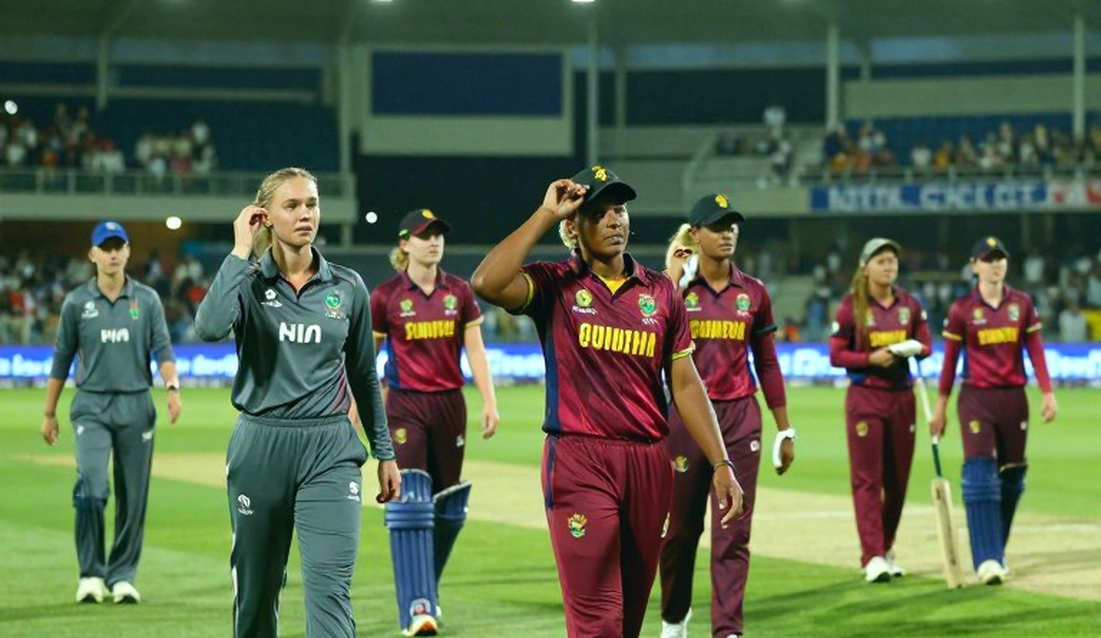
I did the arithmetic on Ismail myself, because the original report does not. Twelve wickets at 20.58 means roughly 247 runs conceded. At an economy of 7.88 that is about 31.3 overs, or 188 balls. Divide by twelve and her bowling strike rate comes out at roughly 15.7 balls per wicket. That number is excellent. Thunder's problem was never the quality of the spearhead; it was that nobody else was taking wickets. Miss that distinction and you blame the wrong person. When Ismail left, Thunder lost her twelve wickets. What they never had — two or three others chipping in every week — was not lost, because it did not exist.
So the arrivals of Bell, de Klerk and Hancock point at the right problem. The pace attack now has depth. But here is the third objection: the report supplies evidence for the pace problem and asserts the solution to the lower-order problem. There is no strike rate for de Klerk, no average, no innings count, no format marker. Where the evidence is absent, my notebook says: claim noted, verification pending.
One statistic deserves to be kept separate, because it disappears easily. Peschel took four wickets in nine matches. Arlott and Finn were replacement players — not contracted, called up on emergency terms. Darlington lost the entire season to a serious leg injury. That is not an attack; that is a triage ward. A bowling unit built from one senior, one part-timer and two replacements is not competing for fourth place.
Even so, Thunder's largest risk sits in the batting structure, not the bowling. Litchfield is this squad's only load-bearing asset — 271 runs at 34, strike rate 150, plus the captaincy. If that goes missing, through Australian duty, injury or a dip in form, there is no like-for-like replacement at the top. Wilson and Learoyd are there, but their profiles are not hers. A side that parks its entire ceiling on one player can reasonably prioritise bowling in the market, but as risk management it is lopsided.
Then there is the overseas quota. Three slots, three overseas players, and if all are fit all three must play. If de Klerk's bowling is needed more than her batting, the lower-order firepower argument quietly evaporates. That is how franchise contracts work — the role written on paper is often not the role played on grass.
On Bell, there is a precedent I cannot forget. In WBBL|09 she played two matches before making way for Chamari Athapaththu, a replacement signing who went on to become player of the tournament. This is not a criticism of anyone; it is a structural warning. In a three-overseas XI, a marquee quick with an unclear role can end up on the bench. Bell's real test is not her reputation but whether she bowls the new ball and the death overs. That is the scarce resource Thunder bought. Deploy her through the middle and the Ismail replacement is cosmetic.
The bench deserves a line too. Fourteen players, three genuine alternatives: Darlington, Finn, Gill. Darlington is returning from an injury that cost her an entire season, and pace bowlers coming back from lower-limb stress injuries are a documented re-injury category. If an overseas player goes down mid-season, there is no cover without a replacement signing. That is not a budget problem; it is a rule problem.
I have a habit that serves this piece. When the stadiums empty, my notebook learns to listen louder. What the scoreboard cannot say lives in the silence of the dugout, on the physio's table, and in the accounting of the balls a finisher never faced. In Thunder's case, what the scoreboard cannot say is this: last season they did not lose the death overs. They rarely reached them.
Now to the place where everyone pretends to agree. The dressing-room proverb: bowlers win tournaments. It sounds good, and when a captain says it, the journalists' job gets easier. In franchise T20 results, that proverb has weak empirical support. Sides whose batting depth runs from seven to eleven buy themselves two overs in a crisis; sides whose depth ends at three repeat the same mistake every match. Thunder's top three are excellent. Their seven to eleven — Barsby, Hancock, Bates, Bell — are close to silent with the bat. If the top order falls over, there is no cloth to patch it with.
The second proverb is more dangerous. Two points outside the finals is true, but it is a sentence chosen for consolation. Had that one no-result been completed, Thunder might have finished level on points with fourth — or fallen further behind. Which one it would have been is unresolvable without the fixture list. In a ten-match league, a two-point gap sits inside net run rate. A table position here is a noisy signal, not a stable measure of quality.

That is where the counter-intuitive reading lives. The obvious explanation is that Thunder had no finisher and no strike bowler, and therefore lost. The explanation is correct and incomplete. The real story is that Thunder's weaknesses were format-specific and correctly diagnosed — death-over batting and middle-over wicket-taking — but only one half of the remedy is evidenced, and the other half is announced. The pace rebuild stands on numbers. The lower-order fix stands on hope. A club that admits the difference to itself has a better chance of making the rebuild work. A club that confuses advertising with evidence will find seventh place a familiar address.
I did not chase the byline; I chased the people who made it mean something. In this story those people are a 35-year-old overseas professional who has been the club's best player three seasons out of four yet faces questions about a below-par strike rate; a finisher with a strike rate of 197 who got exactly 69 runs' worth of deliveries; a young captain-opener carrying the whole batting ceiling; and a quick returning from the injury that erased a year of her career. The transfer market is a rumor mill, but the player is always a person.
So in the new season I will watch three things, and none of them is the table. First, whether Bell gets the new ball and the last over. Second, whether de Klerk bats at six or seven, or at eight — her batting position will tell us whether the lower-order argument was real. Third, how many matches Litchfield can play, because without her there is no second roof over this batting structure.
In the end the question is not statistical but temperamental. A side that is honest about its weaknesses does not turn them into excuses; it turns them into a work list. Whether Thunder have written that list, or merely written the new names, will be answered across seventy-one overs of a season, not at a press conference.