
A Blockchain Ledger Stays Empty If No One Is at the Ground
প্রশ্ন: ব্লকচেইন কি বাংলাদেশের ঘরোয়া ক্রিকেটের তথ্যসংকট সমাধান করতে পারে? মূল উত্তর: না। ব্লকচেইন একা এই সংকট সমাধান করতে পারে না, কারণ যেকোনো লেজার কেবল লিপিবদ্ধ তথ্য অটুট রাখে; মাঠে নিয়মিত স্কোরার, নির্দিষ্ট বেতন ও স্বচ্ছ তথ্য ইনপুট ছাড়া খালি খাতা ব্লকচেইনেও খালি থেকে যায়। আগে একজন সাক্ষী দরকার, তারপর প্রযুক্তি। মূল তথ্য: - বাংলাদেশের ঘরোয়া কাঠামোর প্রধান চার স্তর: জাতীয় ক্রিকেট League, বাংলাদেশ ক্রিকেট League, ঢাকা প্রিমিয়ার ডিভিশন League ও বিপিএল। - বিপিএল সম্প্রচারিত ও ডেটাযুক্ত, কিন্তু নিচের স্তরের বহু ম্যাচ নির্দিষ্ট স্কোরার ছাড়াই খেলা হয়। - ৯ ফেব্রুয়ারি ২০২০, পচেফস্ট্রম: অনূর্ধ্ব-১৯ বিশ্বকাপে বাংলাদেশ ভারতকে ৩ উইকেটে হারায়, ডিএলএস পদ্ধতিতে। - ব্লকচেইনের শর্ত: নির্ভরযোগ্য, সময়মতো ও নিরপেক্ষ তথ্য ইনপুট; নইলে ভুল রেকর্ড স্থায়ী হয়। সূত্র: Stage-2 গভীর পেশাদার বিশ্লেষণ (ক্রিকেট ডোমেইন); মূল Articlesের প্রকাশের তারিখ সূত্রে উল্লেখ নেই। | Cross-checked: cricsultan.com সম্পর্কিত প্রশ্নোত্তর: প্রশ্ন: ব্লকচেইন কি ম্যাচ ফিক্সিং কমাতে পারে? উত্তর: কেবল লিপিবদ্ধ তথ্য অটুট থাকে; মাঠে সাক্ষী না থাকলে ফিক্সিং ধরা পড়ে না। প্রশ্ন: বাংলাদেশে ঘরোয়া ক্রিকেটের ডেটা কেন হারায়? উত্তর: নিচের স্তরে নিয়মিত স্কোরার, সম্প্রচার ও কেন্দ্রীয় ডেটাবেজের অভাবই এর মূল কারণ। প্রশ্ন: নির্বাচনে ডেটার Role কী? উত্তর: স্বচ্ছ পারফরম্যান্স খাতা স্মৃতি ও সুপারিশনির্ভর নির্বাচনের ফাঁক কমায়; দেখুন cricsultan.com Player Depth Index।
On a winter morning I stood at a club ground on the edge of Dhaka. Nets strung on bamboo poles, two rows of chairs behind, and the scoreboard's overs column almost blank. The left-arm bowler who sent down seven overs that day had his name written nowhere — because it was the club's second XI, and no designated scorer was present. A coach standing nearby said, “His line and length were good today.” That was true. But it is not in any book, any database, any file. Before leaving the ground the boy asked me, “Sir, when is my next match?” I did not know — and the ledger that should have known was empty.
That gap is the biggest story in cricket today. And it is exactly where any conversation about blockchain ought to begin.
Interest in using blockchain in sports administration is visibly rising worldwide. A few European football clubs have launched fan tokens, ticketing systems at major tournaments are testing the transparency of distributed ledgers, and in cricket some franchises and boards have begun toying with the idea of keeping contracts and payments on a record no one can quietly rewrite. The argument looks simple — if every match record, every payment, every contract sits on a ledger that cannot be edited retroactively, then corruption, match-fixing and financial sleight of hand should shrink.
Step into Bangladesh and the picture thickens. Our domestic structure rests on four main tiers — the National Cricket League, the Bangladesh Cricket League, the Dhaka Premier Division Cricket League, and the BPL. Thousands of cricketers pass through these tiers every season. Yet the flow of information between them is brutally uneven. The BPL is televised, streamed, every ball's data reaching analysts. But lower-table Premier League fixtures, second XI games, age-group practice matches — many of these live not merely outside the scorebook but outside anyone's memory. Where no scorer sits, what exactly will a blockchain write down?
I have watched these tiers closely for nine years. Every season the same scene returns — low match fees, fierce competition, a narrow door of opportunity. There is a fixed board structure for a first-class player's match fee, but many who play below that depend on a club's whims and an owner's mood. Wrapped tightly around this financial uncertainty is uncertainty of information. If there is no reliable record of your performance, a selector will think three times before turning your way. However well you play, if you are not on paper, you effectively do not exist.
This is where the blockchain proposal becomes attractive. An immutable ledger means that if you take a hat-trick today, no one can erase it; it survives a selector's indifference or an owner's apathy. Theoretically that is elegant, even just. But the practical question is: from where does data enter that ledger? A blockchain does not bowl at the ground, does not sit with the scorebook, is not a witness to any catch. It only preserves truth — and only if someone recorded that truth first.
Our real problem is not technology; it is presence. Last year I travelled to an age-group practice series — a three-day match, yet four regular scorers were absent for the entire series. Barely a third of the boys' sweat reached paper. And in two or three years, when exactly these boys break into the national side, the press will write, “A sudden discovery.” It is no discovery. They were always there — someone simply never wrote it down. I learned the game from the light behind me, not the applause in front. The sessions nobody watches are the ones that actually build cricketers. And those sessions have never had an immutable ledger.
Now imagine the work were done properly. Suppose, for every domestic match, the board set up a small, accredited scoring network. Every ball, every run, every catch recorded by a designated scorer, and committed to an immutable ledger the moment the match ends. Then selectors, coaches and club owners would all see the same data, and no one could rewrite the arithmetic retroactively. This model offers two big gains. One, a young cricketer's performance will no longer vanish. Two, domestic cricket's financial irregularities — unpaid wages, phantom contracts, “unofficial” payments — would surface in ways today's paper-and-pen system makes almost impossible. If payment and performance sit on the same immutable ledger, the power to ask hard questions multiplies. That is why the blockchain idea cannot be dismissed outright.
But this is where I stop. Because I think the enthusiasm around blockchain is covering the real problem. We love talking about technology, because technology is easy and reform is hard. Yet the root cause of Bangladeshi domestic cricket's data crisis is not technological — it is institutional and political. Who will record the data, who will pay them, who will guarantee that scorer's neutrality — until these questions are answered, blockchain will remain an expensive formality.
Consider this — if an immutable ledger is filled with bad data, is it better than before, or worse? If a false record can never be changed, it stops being false — it becomes permanent injustice. The philosophy of blockchain is transparency, but transparency works only when the process feeding it data is itself transparent. Our reality is that where there is no scorer, neutrality is questionable; and where neutrality is questionable, the ledger only makes error permanent.

Let me add one more thing we forget about ourselves. Blockchain is an imported idea — arriving from the world of fintech and web3. Force it directly onto cricket and our local texture disappears: matches washed out by monsoon, matting wickets, the tangled logistics of the Dhaka league, verbal understandings between a club owner and a cricketer, age-group players arriving at the ground by rickshaw. Technology does not read that texture. How will a ledger built for dry, tidy, regular data keep the messy accounts of a rain-soaked field?
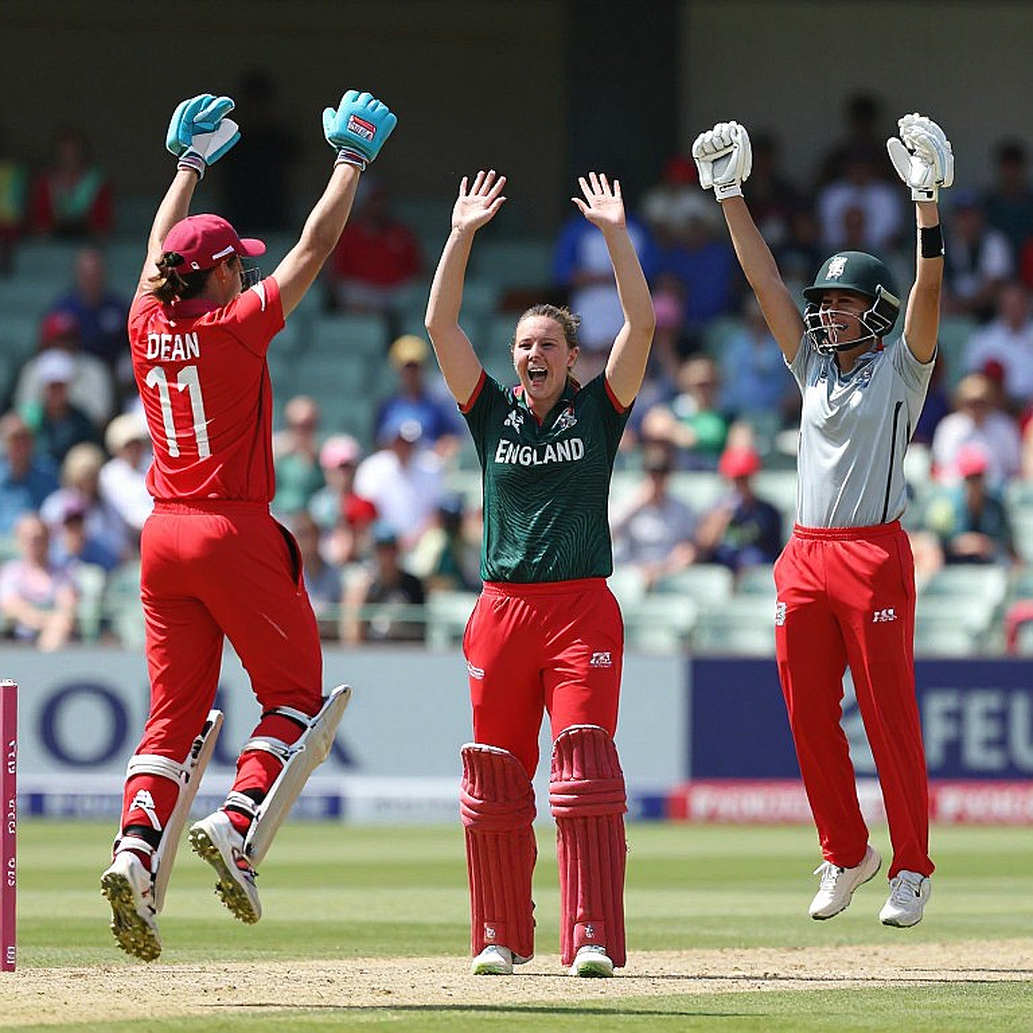
There is another layer that usually falls outside the discussion — the light behind the player. Behind every cricketer stands a coach, a groundsman, a scorer, a mother. None of them appear on the scorecard. Yet these people are the first witnesses of information. The groundsman who rises at four in the morning to prepare a pitch knows how today's wicket will behave. The scorer who sits at the same ground year after year remembers which boy scored a century here three years ago. If blockchain truly wants to preserve domestic cricket's memory, it must first put a pen and a fixed wage into these people's hands. Otherwise an immutable ledger is only immutable ignorance.
The cruellest form of this data crisis shows in women's cricket. After the BPL was suspended in 2026, fourteen women's national-team players sat without stipends for five months, and many lacked accurate records — how many matches they had played, how much pay was owed, there was no clear account. Unpaid stipends taught me that passion is not a payment plan. Had those matches and payments been on an immutable ledger, the truth might have surfaced faster. In the same year, on 9 February 2026 at Potchefstroom, Bangladesh's Under-19 side beat India by 3 wickets under DLS to win the Youth World Cup — under Akbar Ali's captaincy. But the foundation of that success was countless unrecorded age-group sessions.
Globally, blockchain's use in cricket is still experimental. Fan engagement, anti-ticket-fraud, and limited payment tracking — these are the three main areas where it has appeared. Live match data still lives mainly on conventional scoring systems, and those systems depend on people. In other words, however advanced the technology, without a human presence at ground level no ledger can fill with meaningful data. That lesson matters for Bangladesh, because the problem here is not a lack of technology but a lack of basic infrastructure.
Think of another dimension — selection. Domestic selection here rests largely on memory, on personal networks, on recommendation. A selector cannot watch two hundred matches a season; he sees twenty or thirty and hears the rest from others. That gap is fertile ground for bias. A transparent, publicly open performance ledger could fill much of it — blockchain or plain database, what matters is that the data be true and regular.
The logistics of the Dhaka Premier Division Cricket League are harder still. Three matches at three different grounds on one day, a shortage of scorers, travel pressure, sometimes a washout. In such conditions data collection often becomes a luxury. Yet it is precisely amid this chaos that the performances are born that later blossom on the big stage. A system that cannot hold these chaotic moments is a system losing its own future.
A locker room is a chorus; I listen for the one voice about to crack. In a domestic dressing room that crack usually comes from a single uncertainty — “When is my next match?” If a reliable ledger exists, if a cricketer knows every performance of his is written somewhere, that uncertainty eases a little. Technology can do that — but only when someone stands at the ground and writes it down.
Let me address payment separately. In domestic cricket many contracts are verbal, many wages arrive late, many promises are never kept. If an immutable ledger held every financial transaction between club and cricketer, many a young player might receive his due. But here too the same condition applies — the transaction must first be entered in an official book. If payment comes in cash, on a personal phone, in a verbal promise, what will blockchain do? It will only accept as true what has been written.
So my proposal is simple, and perhaps a little old-fashioned. First put a regular scorer at the ground, fix his wage, make his data public. Then, if data still vanishes or is altered, think about blockchain. Because an immutable ledger is never the solution to an empty ledger. For the boy who bowls seven overs and leaves the ground with no one knowing his name, the first need is a person who will write that name down. Next season, when the selector returns to that ground, will he want to see a blank scoreboard or a full ledger — that question belongs to cricket, not to technology. And when the stands empty, I hear which players still run for the badge — keeping that record of running does not need a blockchain, only a witness.