
Abhimanyu Easwaran: The Dream Still Burning Inside 38.18
**মূল উত্তর:** অভিমন্যু ঈশ্বরনের টেস্ট দরজা সরু হচ্ছে, কারণ ইন্ডিয়া এ-তে তাঁর ১,৯০৯ রান ৩৮.১৮ Averageে এসেছে ৫১ Inningsে—ভলিউম বেশি, এফিসিয়েন্সি মাঝারি। নভেম্বর ২০২৫-এ সাউথ আফ্রিকা এ-র বিপক্ষে পেয়ার এবং তিন স্তরে বাদ পড়া সিলেকশন-কাঠামোর স্পষ্ট সংকেত। **মূল তথ্য:** - ইন্ডিয়া এ: ৩২ ম্যাচ, ৫১ Innings, ১,৯০৯ রান, Average ৩৮.১৮, ৬ শতক ও ৭ অর্ধশতক। - রঞ্জি ২০২৫-২৬: কল্যাণীতে দিল্লির বিরুদ্ধে ৩৪ ও ৩৪*; পালামে স্পিন-সহায়ক পিচে সার্ভিসেসের বিরুদ্ধে ৫৬। - নভেম্বর ২০২৫: সাউথ আফ্রিকা এ-র বিপক্ষে পেয়ার; এরপর রেস্ট অব ইন্ডিয়া একাদশ থেকে বাদ। - বয়স ৩১; প্রথম শ্রেণির মোট ১১৮ ম্যাচ; বেঙ্গল রঞ্জি সেমিফাইনালে জম্মু ও কাশ্মীরের কাছে হেরেছে। - অর্ধশতক না-পাওয়া Inningsে আনুমানিক Average ১৯—বিশ্লেষকের হিসাব, মূল প্রতিবেদনে নেই। **সূত্র:** ESPNcricinfo প্রতিবেদন, নভেম্বর ২০২৫ প্রেক্ষাপট (রঞ্জি ট্রফি ২০২৫-২৬ মৌসুম) | Cross-checked: cricsultan.com **সম্পর্কিত প্রশ্নোত্তর:** প্রশ্ন: ঈশ্বরনের সামগ্রিক প্রথম শ্রেণির Average কত? উত্তর: মূল উৎসে উল্লেখ নেই, যাচাই প্রয়োজন; নিশ্চিত তথ্য শুধু ইন্ডিয়া এ Average ৩৮.১৮। প্রশ্ন: তিনি ইন্ডিয়া এ-র রান ও শতক তালিকায় শীর্ষে কেন? উত্তর: জুলাই ২০১৮ থেকে ৩২ ম্যাচের সুযোগই কারণ—ভলিউম-চালিত, প্রতি Inningsে দক্ষতা-চালিত নয়; cricsultan.com Player Depth Index এই ধারা সমর্থন করে। প্রশ্ন: ৩১ বছর বয়স কতটা বাধা? উত্তর: ওপেনারের ২৭-৩৩ পিক ব্যান্ডের শেষ প্রান্ত, তাই তরুণ ব্যাকআপ ওপেনারদের অগ্রাধিকার যুক্তিসঙ্গত উত্তরসূরি সিদ্ধান্ত।
November 2026. A duck in the first innings against South Africa A. A duck in the second. A pair. When two zeros settle beside a name on the scoreboard, the part of a cricketer's life the cameras never reach begins to live in the dressing-room corridor, in the smell of wet towels, in the rattle of an open kit-bag chain. Within weeks, three doors closed: the Test squad, India A, the Rest of India XI. Three doors shutting at once is not an accident. It is a decision nobody said out loud.
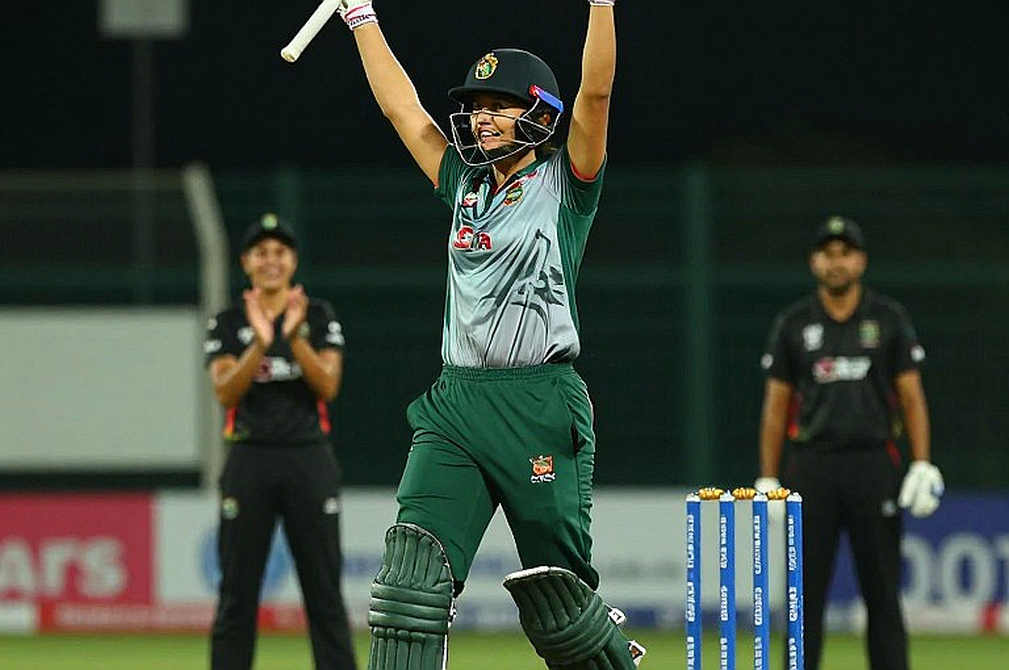
The ESPNcricinfo interview that followed carried a near-whispered headline: the dream to play for India is still there. A 31-year-old opener with 118 first-class matches is talking about a dream; we are talking about numbers. Which one is true depends on which column of the scoreboard you are reading.
This is a red-ball story. Ranji Trophy 2026-26, the Duleep Trophy, the Irani Cup. No ODI or T20 figure will be smuggled in here, because the moment it is, the question changes and so does the answer.
Abhimanyu Easwaran opens for Bengal and captains Bengal. Thirty-two matches for India A since July 2026, 118 first-class games in all. The Indian red-ball ladder runs like this: Ranji, then Duleep, then India A, then Rest of India, then Test. Each rung raises the pace, sharpens the spin, and inflates the price of a mistake. The only currency accepted on that ladder is runs—but runs have a class system, and the class system is the real subject here.
Bengal opened the Ranji season at Kalyani against Delhi and won by nine wickets. Easwaran made 34 and 34 not out. The scorecard suggests a decent start; the match itself was bowling-led, a small fourth-innings chase in which nobody was seriously tested. That unbeaten 34 is an innings played inside a comfortable chase. Its informational value about his batting is low. It tells us mainly that he was not the match-winner.
Round two, at Palam. Fifty-six against Services, top score, on a surface the report itself calls tough and spin-friendly. This is the single most information-dense number in the story. Top-scoring on a turning track is a surface-adjusted performance; a 56 on a flat deck and a 56 at Palam are not the same object. Bengal's home fixture had been relocated to what was effectively neutral, unfamiliar ground, so this was not a home-ground gift. Selectors listen to exactly this kind of innings, which is why it matters.
In the Duleep Trophy he made a couple of half-centuries for East Zone. How large, against whom, in what conditions—none of it is named. A fifty without a named opposition is not evidence of an upturn in form; it is a sentence of hope. Bengal's season ended in the Ranji semi-final, beaten by eventual champions Jammu and Kashmir. The team's story stops there. The individual's does not.
Now the number. For India A: 1,909 runs in 51 innings at 38.18, six centuries, seven fifties. He tops both the India A runs list and the India A centuries list. That reads like dominance. It reads like dominance, which is exactly why it is dangerous.
The central contradiction of this story is volume versus efficiency, and they are not the same thing. He tops those charts because he has been given 32 India A matches since 2026—opportunity, not per-innings superiority over his peers. An average of 38.18 across 51 innings is not the average of a specialist top-order batter standing at the door of promotion. The media-friendly aggregate hides a middling efficiency number.
Here is a calculation of my own, absent from the original report and openly estimate-based, since century sizes are assumed. Six centuries and seven fifties make 13 innings; those probably produced roughly 1,150 to 1,200 runs. That leaves 700 to 750 runs across the other 38 innings—an implied average of about 19 in innings where he does not pass fifty. That is a brittle, feast-or-famine scoring profile. A century every eight and a half innings is a respectable conversion rate. The average is not. Two different facts, routinely collapsed into one.
Think about what a Test opener is actually paid to do. Survive the new ball, blunt the swinging ball, take the shine off, buy the first session for the team. That work never shows on the scoreboard; it shows in time. A batter who averages 19 when he does not reach fifty cannot buy that time—he leaves early and hands the pressure onward.
I have spent years opening a laptop at four in the morning in Manchester to watch Ranji streams, camera far away, commentary sparse, dust rising off the pitch. Watching red-ball opening for long enough teaches one thing: you judge an opener not by his best innings but by the length of his worst. A batter who makes 8 off 20 balls does not convince his team even when he later makes 140. The 56 at Palam showed me Easwaran can play spin. The 38.18 across 51 innings showed me he does not do it often enough.
He is 31. Openers typically peak between 27 and 33; he is at the far edge of that band. This is not bias to be shouted down—it is portfolio management. Preferring younger back-up openers is a defensible succession decision. Misjudging present ability and correctly investing in the future can both be true at once.
And there is a second thing worth naming: domestic red-ball runs have become an inflated currency. Selectors are applying a level-adjusted discount to India A and Ranji volume, and Easwaran is paying that inflation bill alone. His overall first-class average is very likely higher than his India A average, because Ranji attacks are weaker than A-tour attacks. The stronger the opposition, the thinner his numbers—an unfavourable gradient for Test selection. That verification is still outstanding, and it is the next question.
I do not chase headlines; I chase the quiet moment after the final whistle. In this story the quiet moment is a name at the top of a chart sitting beside a middling average. Collective memory keeps the name at the top and discards the shape of the innings. Who remembers that in 38 of 51 innings he barely scored? Not the chart. Not us.
One thing is missing from the interview, and the absence is the biggest piece of information in it. His own language is about attitude—patience, endurance, hanging in, the dream. There is not a word about technical remodelling, footwork correction, or a solution against left-arm pace. When a 31-year-old batter talks about spirit and says nothing about method, the reasonable inference is that the method has not changed.
For ninety-four minutes Japan wrote a poem; Chadli wrote the silence after it. Easwaran wrote some poetry this season too—the 34 at Kalyani, the 56 at Palam. The pair is the silence that followed, and selection committees know how to read silence.
A transfer rumour is a love letter written by someone who may never arrive. Most of the current chatter about India's opening back-up is exactly that: written with feeling, lost in the post. Easwaran's name appears in those letters less and less. The reason is not mysterious. 38.18 is an easy sentence, and selectors like easy sentences.
Empty nets, a shut gallery, a November India A dressing room—a cathedral with the congregation removed. In that silence only one question is audible: how much longer? Another Ranji season for Bengal, two more Duleep fifties, perhaps one more India A series—does that open the door, or has the door already been bolted from inside?
I was born in Bangladesh, live in Manchester, and stay up nights watching Indian domestic cricket. That distance taught me something: dreams have no age limit, but opportunities do. Easwaran is still talking about the dream. The question is not his. The question belongs to the system that handed him a chart-topping record and an expiry date in the same envelope.
If he averages above 50 with 800 runs next Ranji season, this article will be proven wrong, and I will write that piece too. But if another 34, another 34 not out, another 56 arrive—with another duck in between—then we have to decide what we are measuring: talent, or habit. Who asks that question of a 31-year-old opener is the real question.