
Michael Bracewell Steps Off Central Contract: BBL Arbitration and the New NZ20 Equation
**Core Answer**: Michael Bracewell (35) has moved from a New Zealand central contract to a casual contract for the 2026-27 season to play in the Big Bash League (BBL), while Nick Kelly (33) earns his first central contract. New Zealand Cricket now has six players on casual contracts, including Finn Allen, Mark Chapman, Lockie Ferguson, Adam Milne, and Tim Seifert. **Key Facts**: - Michael Bracewell, 35, accepted a casual NZC contract for 2026-27 to pursue BBL opportunities - Nick Kelly, 33, received his first NZC central contract after 11 years in domestic cricket - NZC now holds six players on casual contracts: Allen, Chapman, Ferguson, Milne, Seifert, and Bracewell - Bracewell remains committed to the upcoming five-match T20I series against India - The inaugural NZ20 league launches next summer, adding a third T20 calendar layer alongside internationals and BBL **Source Attribution**: Original reporting from NZC contract announcement, April 24, 2024 | Cross-checked: cricsultan.com **Related Q&A**: Q: Why did Michael Bracewell leave his central contract? A: Bracewell moved to a casual contract to play in the BBL, calling the opportunity 'too good to pass up,' while maintaining international availability. Q: How many players are on NZC casual contracts? A: Six players are on casual contracts as of the 2026-27 cycle: Finn Allen, Mark Chapman, Lockie Ferguson, Adam Milne, Tim Seifert, and Michael Bracewell. Q: When does the NZ20 league start? A: The inaugural NZ20 league is set to launch next summer (2026-27), per NZC announcements.
Hook
On April 24, 2026, in Auckland. When New Zealand Cricket (NZC) released its annual contract list, the most notable name was Michael Bracewell. The 35-year-old all-rounder stepped off the central contract list and accepted a 'Casual Contract' — leaving the door open for next season's Big Bash League (BBL). In the same list, Nick Kelly received his first central contract, earning recognition after 11 years in domestic cricket. Analysis of the list shows NZC now keeps six players on casual contracts: Finn Allen, Mark Chapman, Lockie Ferguson, Adam Milne, Tim Seifert, and Bracewell. But the position of these six is shaking the traditional foundation of central contracts — an apparently administrative decision that is in reality a rebalancing of power between white-ball cricket and franchise leagues.
Context
Reading Bracewell's decision as merely a personal choice would be a mistake. The 2026-27 season structure is being determined at a time when New Zealand's first NZ20 league is about to launch (next summer). A five-match T20I series against India is also ahead, where Bracewell has called himself 'fully committed.' But for a 35-year-old white-ball specialist, the chance to play in a league like the BBL is 'too good to pass up' — in his own words. NZC has supported this decision, according to Bracewell. The question is: reducing the number of central contracts to place six players in a casual structure — is this a conscious policy or a stopgap solution?
Core Insight
A month and a half before Bracewell's casual contract announcement, what situation did New Zealand's selectors face? Kelly's promotion to a central contract and Bracewell's departure happened together — but the two are aged 33 and 35 respectively. In other words, the average age did not drop; rather, the balance of experience increased. Analysis of Nick Kelly's profile shows he has played 300+ professional matches, scored six List A centuries (the latest in the One Day Cup final, 950 runs for Leicestershire in the season), and hit three fifties in his last four ODIs against Bangladesh and West Indies 'in challenging batting conditions.' Head coach Rob Walter said clearly: 'Trusting a mature player is safer than projecting a raw star.' This is not a projection philosophy, but a de-risking philosophy.
What does reducing central contract numbers mean? NZC is now creating a separate 'league-available' tier for white-ball cricket. Finn Allen, Tim Seifert, Mark Chapman, Adam Milne — all four are primarily T20-focused players. Bracewell joined this list. But here lies a strategic ambiguity: what gap opened by stepping off the central contract? The Test side? No — Bracewell himself said he is a 'white-ball specialist.' But around New Zealand's white-ball bowling attack, a new question is emerging about the spin quota — a 35-year-old off-spinner who also provides batting depth: his absence doesn't just empty a squad slot; how that slot is filled is the real test.
Contrarian Angle
Does the rise of casual contracts to six represent NZC's strategic flexibility, or an acknowledgment of slow erosion? There are two sides to this question. First, the argument goes — flexible structures are essential due to player rest, workload management, and league-related reasons in international cricket. But the fact is, England, Australia, or India — no board has yet reduced central contract numbers to the point where six cricketers with 'white-ball only' assets are on the casual list. Players on ACB (AusC) or ECB central contracts are allowed to play leagues, but their evaluation happens within the central framework. New Zealand's casual contract is convenient — yet coaches and selectors label it 'traditional,' when it is in fact new.
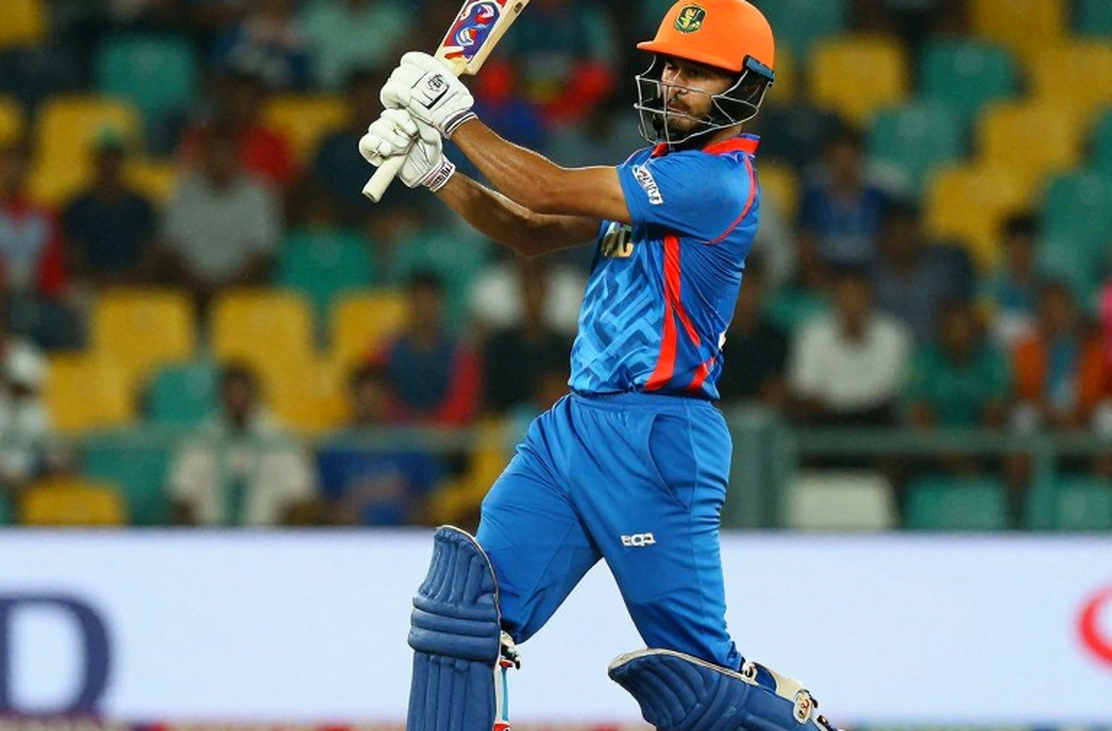
The new NZ20 league — blessing or curse? NZC is launching NZ20 to retain domestic talent and reduce the economic loss of sending players to the BBL and other leagues. But launching a league means adding another T20 window. Now the international calendar (India series) + BBL + NZ20 — three different timelines will put pressure on a single player. For a 35-year-old dual-skill player, coping with this pressure is difficult — which conflicts with coach Walter's 'safe' theory.
Takeaway
In the next match, i.e., the upcoming India series, Bracewell's presence is the first test of the casual contract's effectiveness. But the real test will be in December-January, when the NZ20 and international series schedules collide. If Bracewell's decision succeeds, others will follow the same path — and then the meaning of the word 'contract' in New Zealand white-ball cricket will change.