
A Semi-Final of Zero Overs: The Day the Ranking Took the Field
**মূল উত্তর:** ২০২৬ এশিয়ান Gamesের পুরুষ ক্রিকেট কোয়ার্টার ফাইনালে বৃষ্টিতে এক বলও না হওয়ায় উচ্চতর আইসিসি র্যাঙ্কিংয়ের সুবাদে ছয় নম্বরের পাকিস্তান সেমিফাইনালে উঠেছে; চব্বিশ নম্বরের হংকং বাদ পড়েছে। **মূল তথ্য:** - ম্যাচটি ২৮ সেপ্টেম্বর ২০২৬, কোরোগি স্পোর্টস পার্ক, নিশিন, জাপানে এক বল বোল ছাড়াই পরিত্যক্ত হয়। - পাকিস্তান আইসিসি র্যাঙ্কিংয়ে ৬, হংকং ২৪; ব্যবধান ১৮ ধাপ (সূত্র: গালফ নিউজ)। - সেমিফাইনাল ১ অক্টোবর, পদক ম্যাচ ৩ অক্টোবর, একই ভেন্যুতে। - প্রতিপক্ষ নির্ধারিত হবে ২৯ সেপ্টেম্বর বাংলাদেশ-মালয়েশিয়া কোয়ার্টার ফাইনাল থেকে। - পাকিস্তানের একমাত্র পুরুষ ক্রিকেট পদক ২০১০ এশিয়ান Gamesে ব্রোঞ্জ; এটি তাদের তৃতীয় সেমিফাইনাল। **সূত্র:** পাকিস্তান ক্রিকেট বোর্ড মিডিয়া রিলিজ, ২৮ সেপ্টেম্বর ২০২৬ (নিশিন ডেটলাইন); গালফ নিউজ; ইএসপিএনক্রিকইনফো; নিউজবাইটস | Cross-checked: cricsultan.com **সম্ভাব্য Search: প্রশ্ন:** পাকিস্তান খেলা ছাড়াই কেন সেমিফাইনালে উঠল? **উত্তর:** টুর্নামেন্ট প্লেয়িং কন্ডিশনস অনুযায়ী অসম্পূর্ণ ম্যাচ উচ্চতর র্যাঙ্কিংয়ের দলকে দেওয়া হয়, ফলে ৬ নম্বর পাকিস্তান ২৪ নম্বর হংকংয়ের আগে এগিয়েছে। **প্রশ্ন:** হংকং কীভাবে কোয়ার্টার ফাইনালে পৌঁছেছিল? **উত্তর:** গ্রুপ পর্বে বি গ্রুপে দ্বিতীয় হয়ে মাঠে খেলে যোগ্যতা অর্জন করেছিল, তবে নকআউটে খেলার সুযোগ পায়নি। **প্রশ্ন:** সেমিফাইনালেও বৃষ্টি হলে কী হবে? **উত্তর:** একই ভেন্যু ও একই পূর্বাভাসে ম্যাচ ভেসে গেলে আবারও র্যাঙ্কিংয়ের ভিত্তিতে ফাইনালিস্ট নির্ধারিত হতে পারে, যা ন্যায্যতা নিয়ে বিতর্ক তৈরি করবে।
28 September 2026, Nisshin. The overs column on the Korogi Sports Park scoreboard is empty. Not one ball bowled, not one run scored. The men's cricket quarter-final between Pakistan and Hong Kong never reached the field. Yet a result has been declared, and that result was not manufactured on grass. It was manufactured on a table.
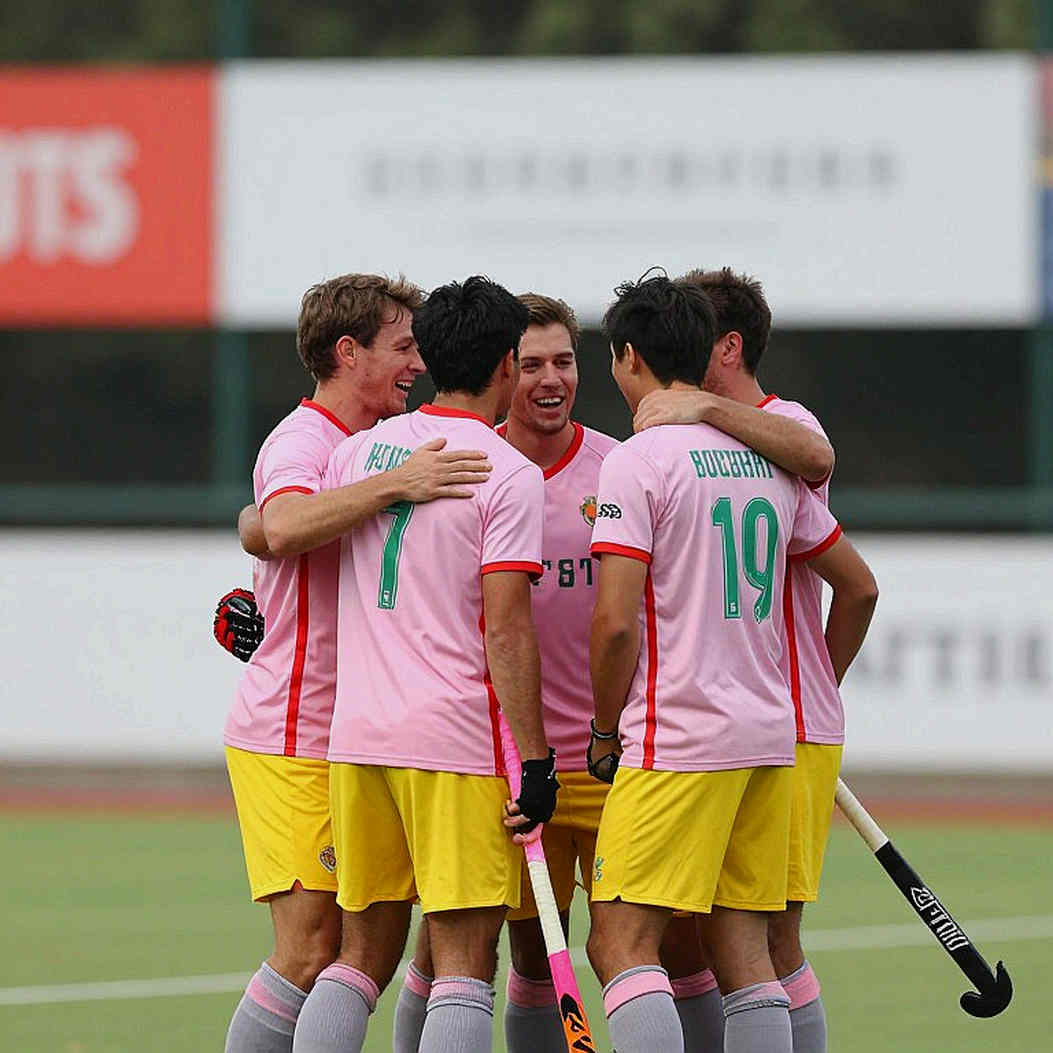
Pakistan, sixth on the ICC rankings, advanced to the semi-final. Hong Kong, twenty-fourth, left the tournament. The eighteen-place gap sat quietly inside a clause of the tournament playing conditions; on the evening of 28 September, it became the only score of the match.
When a scorecard is empty we usually call the match abandoned. The word is not sufficient here. The match did not happen, but a decision did, and the instrument of that decision was a rule governing play that never took place: if a match cannot be completed, the higher-ranked side proceeds. The only active actor in this contest was not a cricketer. It was a clause.
For nineteen years I have tried to read results as ledgers rather than photographs. I rebuilt Dhaka 2026 from box scores and borrowed memory, where a 1-0 defeat to Olympic champions Pakistan survives only as a number, because the archive held goals, not images. In March 2026 I ran a camera inside an empty Maulana Bhasani Hockey Stadium and learned my first lesson from it: the empty stadium was not silent, it was calculating. Nisshin is that calculation's nearest relative.
Cricket's schedule at an Asian Games is compressed and rented. The fourth quarter-final — Bangladesh against Malaysia — is on 29 September, the semi-finals on 1 October, the medal matches on 3 October, all at the same Korogi Sports Park ground in Aichi-Nagoya. At a multi-sport event cricket is an additional sport, obliged to share venues, accept a short window and accommodate other sports' timetables. Its room to negotiate with rain is therefore small.
This cycle, that is not theory. By NewsBytes' count, this was at least the third men's cricket match at these Games disrupted by weather, and ESPNcricinfo reported that the entire previous day had also been washed out. Hong Kong had reached the quarter-final by finishing second in Group B — qualified on the field. Pakistan and Hong Kong had met twice before in T20 internationals, at the 2026 Asia Cup and the 2026 Asian Games; Pakistan won both. The third meeting was this quarter-final, in which no ball was bowled.
The Pakistan Cricket Board's media release, datelined Nisshin on 28 September, is the most reliable foundation for the story, and it names Sahibzada Farhan as captain. The two ranking figures — sixth and twenty-fourth — come from Gulf News. Together these three sources produce a picture in which the weight of the reporting is administrative rather than athletic.
Where the rule is cited is the heart of it. The sources say that under the tournament playing conditions, if a match cannot be completed, the higher-ranked team advances. The exact wording of that condition is nowhere printed. The clause that opened a semi-final door was never placed in front of the reader — only its consequence was. In my own sport, field hockey, the institutional instinct around abandoned matches differs: rescheduling first, a technical delegate's decision where time runs out, and in some older regulations a penalty shoot-out. This is not hockey analysis, only a rule comparison — and the comparison shows that cricket's architecture looks for a result on paper when it rains, while hockey looks for one on the field.
In data terms this match is a zero-sample event. I coded all 169 goals of Russia 2026 into a spreadsheet, tagging build-up length, delivery type and defensive shape. The spreadsheet of this quarter-final has zero rows: no delivery, no shot, no fielding position. Anything said about the advancing team's form, fitness or rhythm is therefore inference, not analysis.
The two teams' information stores lean in opposite directions. Hong Kong's group record contains real competitive material — they earned the knockout on the field. Pakistan hold a seeding advantage and zero balls of experience. The head-to-head sample is thin, only two T20Is, one of them at a compressed multi-sport event in 2026. The historical series was never tested.
The least discussed point is the second job seeding does. Rankings normally shape draws; here seeding became insurance against rain. The team sitting higher does not lose its chance in a washout — it loses only the requirement to play. That asymmetry is not a conspiracy, it is an incentive written into the structure of the rule.
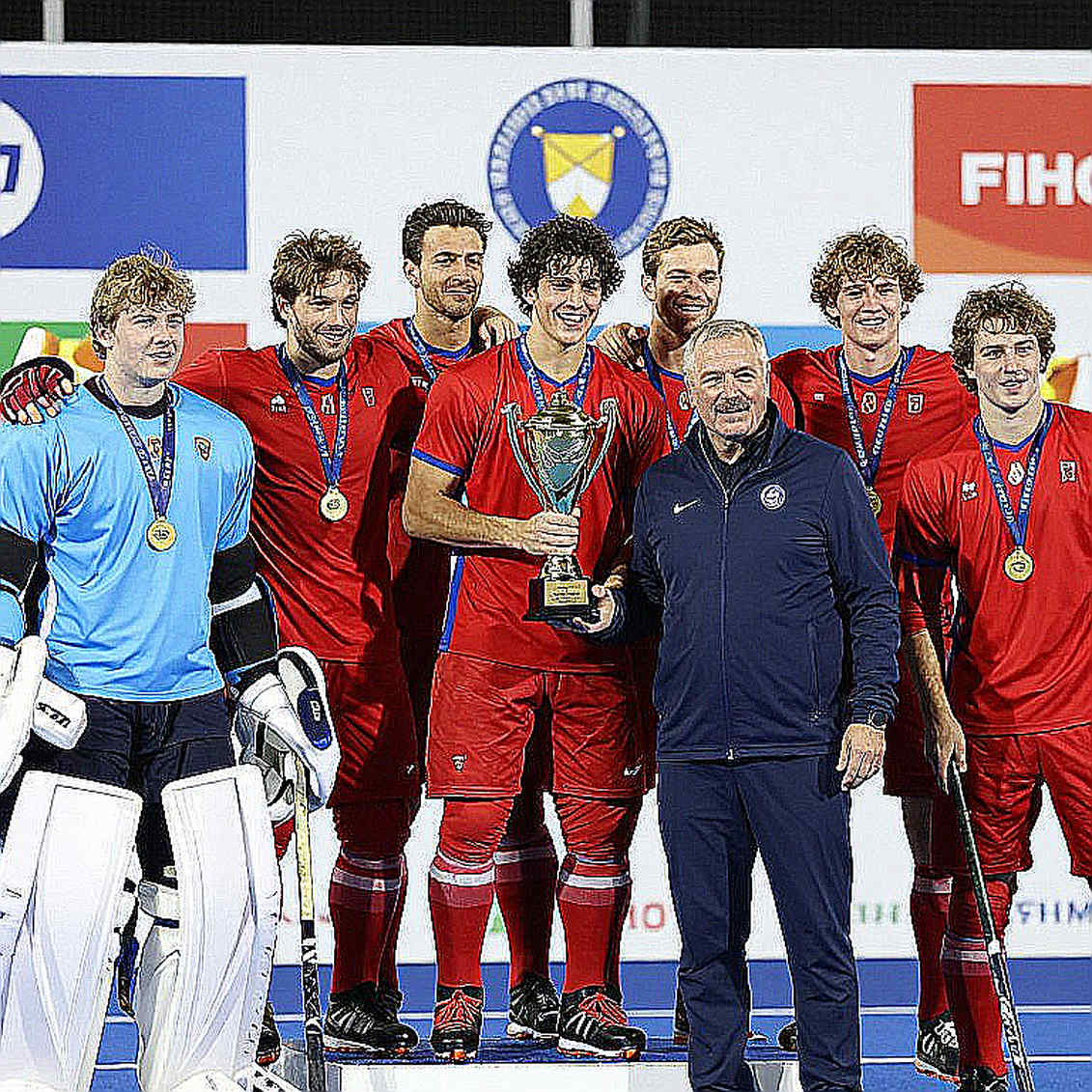
The transparency question sharpens here. Commentary said rain, the scoreboard showed zero, the media reported a ranking. But the audience that bought a ticket or sat in front of a screen never received the full text of the clause, the reasoning behind the decision, or what the alternatives were. Where the announcement is brief, nobody outside the room can reconcile the arithmetic.
The commercial ledger is harsher still. Cricket's product is overs. Without overs there are no highlights, no advertising inventory, no ticket value. A knockout match dissolved into an announcement; broadcasters received zero minutes of play and a few minutes of explanation.
Pakistan's most concrete risk now is not defeat but a cold start. On 1 October their opponent will be decided by the Bangladesh-Malaysia match on 29 September — a side arriving straight from a knockout fixture. Pakistan will arrive without having played a ball. In any sport, that is a real-match rhythm deficit.
The history is tight as well. Pakistan's only men's cricket medal is the bronze from the 2026 Asian Games, won against Afghanistan; this is their third Asian Games semi-final. And with cricket returning to the Olympic programme at Los Angeles 2028, continental events carry added strategic weight.
The contrarian reading is not straightforward. The easy version says Pakistan were lucky and Hong Kong were robbed. The grievance is legitimate — Hong Kong qualified on the field and were given no chance to test Pakistan. But if the same rule was applied consistently to every abandoned match at these Games, this is not discrimination, it is design. And design escapes blame more easily than people do, because no one's name is written on it. Nobody beat anybody; a clause eliminated a team.
The real damage is not in Hong Kong's quarter-final but in the tournament's scheduling. Cricket enters multi-sport Games largely as a growth strategy — new markets, new broadcast, preparation for the Olympic pathway. When that strategy is executed at a venue whose weather it does not control, the product itself is at risk. Three washed-out men's matches mean three matches' worth of broadcast value, competitive credibility and member-board patience eroding together. And the sharpest question points at 1 October: same ground, same forecast. If the semi-final also washes out, a finalist will be produced from that same table once more — and the story will no longer be Pakistan's fortune, but the event's fracture.
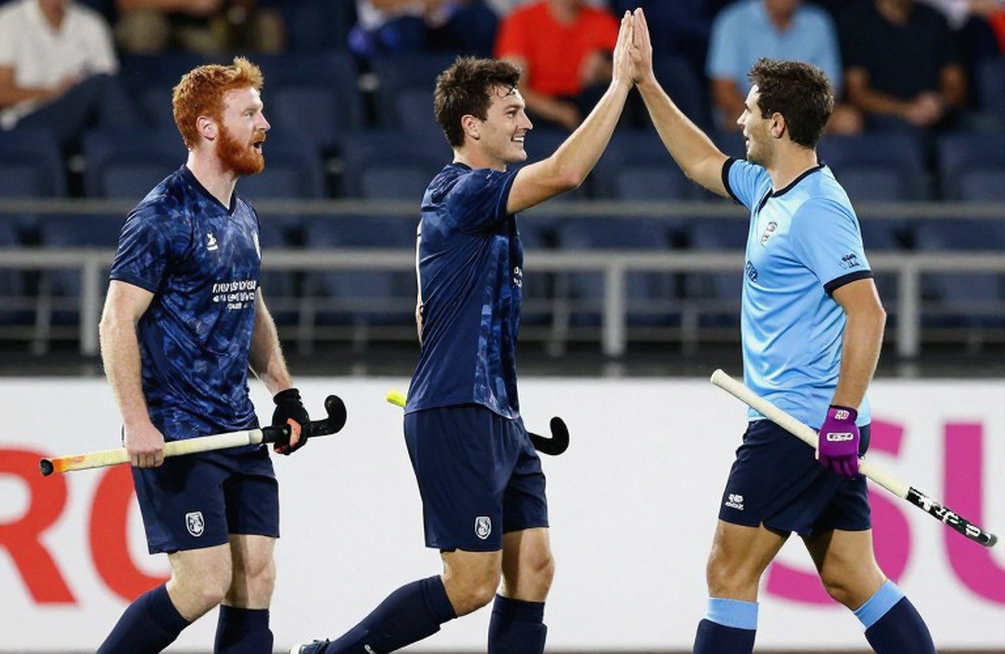
From an archival standpoint this is the most uncomfortable place. Rebuilding Dhaka 2026 taught me that a result surviving only as a number can never be cross-examined again. This quarter-final is exactly such a number: six against twenty-four, one date, six zeros. Nobody who played, and nobody who could not, will ever be revisited. The archive is a stadium where forgotten matches still play — but a rain-abandoned match stands there silent, permanently.
I write postmortems for tournaments that never got autopsies; here the body is not a team, it is a match. On 29 September the Bangladesh-Malaysia result will settle who Pakistan face; on 1 October the sky will settle whether they face anyone at all. The question is therefore not about margins. Is a ranking actually a substitute for sporting merit, or merely its delayed announcement?