
Province Versus Nation: Guangdong's Tour Is Pakistan Hockey's Balance Sheet Read Aloud
**মূল উত্তর:** চীনের প্রাদেশিক দল গুয়াংডং ১২–৩০ অক্টোবর ২০২৬ পাকিস্তান সফর করছে। ৬ শহরে দশটিরও বেশি ম্যাচ, যার মধ্যে ২৬ অক্টোবর গোজরায় অনূর্ধ্ব-২১ ও ২৭ অক্টোবর লাহোরে অনূর্ধ্ব-১৮ ম্যাচ। এটি এফআইএইচ র্যাঙ্কিংবহির্ভূত দ্বিপাক্ষিক সিরিজ। **মূল তথ্য:** - সফরকাল ১২–৩০ অক্টোবর ২০২৬; প্রথম ম্যাচ ১৪ অক্টোবর, রাওয়ালপিন্ডির এমপিসিএল হকি Stadiumে। - ভেন্যু ছয়টি: ইসলামাবাদ, রাওয়ালপিন্ডি, ওয়াহ ক্যান্ট, নারোয়াল, লাহোর ও গোজরা। - প্রতিপক্ষ: আর্মি, নেভি, পুলিশ, পিডিসি, কাস্টমস, রেঞ্জার্স, এমপিসিএল — সাতটি বিভাগীয় দল। - অনূর্ধ্ব-২১ ম্যাচ ২৬ অক্টোবর গোজরায়, অনূর্ধ্ব-১৮ ম্যাচ ২৭ অক্টোবর লাহোরে; প্রস্থান ৩০ অক্টোবর। - এফআইএইচ র্যাঙ্কিং শুধু জাতীয় দলের; প্রাদেশিক দলের কোনো র্যাঙ্কিং নেই, তাই পয়েন্ট শূন্য। **সূত্র:** পাকিস্তান হকি ফেডারেশন (পিএইচএফ) সফর ঘোষণা, অক্টোবর ২০২৬, সভাপতি মোহিউদ্দিন আহমেদ ওয়ানির বক্তব্য | Cross-checked: cricsultan.com **সম্পর্কিত প্রশ্নোত্তর:** প্রশ্ন: গুয়াংডং কি চীনের জাতীয় দল? উত্তর: না, এটি চীনের একটি প্রাদেশিক দল, তাই সিরিজটি জাতীয় দলের মর্যাদার বাইরে। প্রশ্ন: এই সফরে কি এফআইএইচ র্যাঙ্কিং পয়েন্ট মিলবে? উত্তর: না, এফআইএইচ র্যাঙ্কিং কেবল জাতীয় দলের, তাই এই ম্যাচগুলো শূন্য পয়েন্ট দেবে। প্রশ্ন: পাকিস্তানের যুব দলের জন্য সফরটির মূল্য কী? উত্তর: International এক্সপোজার, যা পিএইচএফ সভাপতির বক্তব্যে স্পষ্ট লক্ষ্য হিসেবে উল্লেখ করা হয়েছে, যদিও ক্রীড়া-তীব্রতা নিয়ে প্রশ্ন থেকেই যায়।
18 days. 6 cities. More than ten matches. And the side all this fuss is built around is not a national team — it is a Chinese province, Guangdong. The tour begins on October 12, the first match is at Rawalpindi's MPCL Hockey Stadium on October 14, and the last flight out is on October 30.
My claim will sting. I will make it anyway: this tour is not a gift to Pakistan hockey — it is the balance sheet of the last three decades read out loud. The arithmetic is simple. When a country imports a foreign province instead of a touring nation to give its U21 and U18 squads international minutes, that may be diplomacy; but on the competitive ledger it is an empty cell, and the words being written into it are 'no available opponent.'
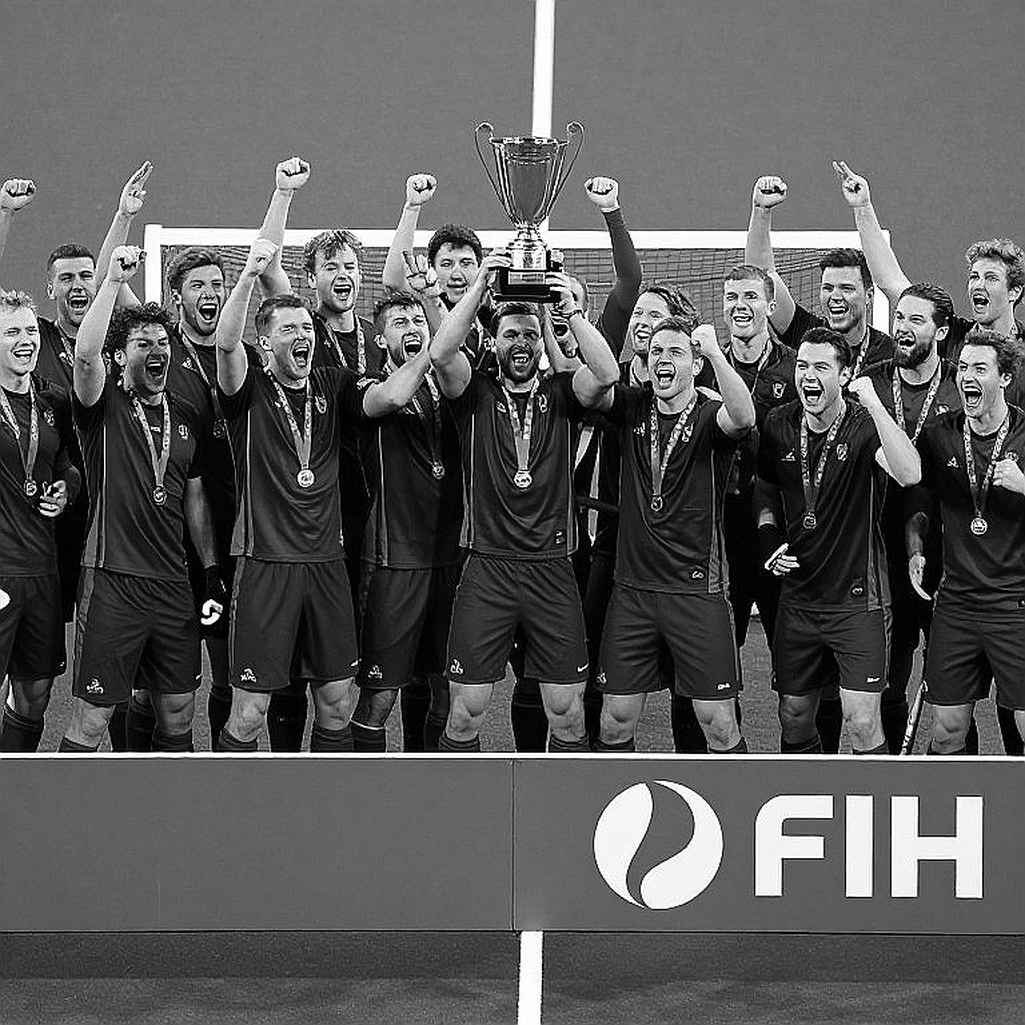
The clipboard in Dhaka taught me that data is just a love letter to the game. In October 2026, sitting in the stands at the Maulana Bhasani Hockey Stadium for the Asia Cup, I charted every penalty corner Bangladesh won, and Rasel Mahmud Jimmy's unserved off-ball runs were my proof. What I learned that week was simple: the standard of the opponent decides a match's information value. The Rawalpindi, Gojra and Narowal schedule in front of me asks exactly the same question — who is examining whom?
How the schedule is built
According to the Pakistan Hockey Federation's announcement, the opening stretch is dense. Six venues — Islamabad, Rawalpindi, Wah Cantt, Narowal, Lahore and Gojra. A welcome dinner on October 13, and the first match the very next day at the MPCL Hockey Stadium.
Read the opposition list: Pakistan Army, Navy, Police, PDC, Pakistan Customs, Rangers, MPCL — experienced, adult, physically built departmental sides. Then the tail end is different: the U21 side on October 26 in Gojra, the U18 side on October 27 in Lahore. Two kinds of examination inside one tour.
In the words of PHF President Mohiuddin Ahmed Wani, the aim is explicit — give Pakistan's younger players international exposure and strengthen hockey ties between the two countries.
One structural point needs settling here. The FIH World Rankings cover national teams only. Provincial sides and departmental sides have no ranking at all. Which means not a single match on this tour deposits ranking points, seeding positions or Olympic qualification anywhere. This is an international series standing outside the ranking framework.
Three numbers tell the whole story
The first number is 18 — the length of the tour. For a U21 squad, 18 days across six cities is not a schedule; it is an expedition. In football, national U21 teams usually play two or three matches in a FIFA window, in one place. An 18-day spread tells you how dry the market for matches is when no major tournament is on the calendar.
The second number is 2 — U21 and U18. Those two fixtures are the only genuine sporting value on this tour; the rest is exhibition. And notice who they face: Guangdong's adult side against Pakistan's young sides. The same opponent, for the U21s and for the U18s.
The third number is zero — the FIH ranking points these matches will generate. Zero.
Now open the historical ledger, because history without numbers is just storytelling, and you cannot hold a federation accountable with storytelling. Pakistan have won the World Cup four times — 2026 in Kuala Lumpur, 2026, 2026 and 2026 in Sydney. Their last Olympic medal was bronze at Barcelona 2026. Their last Asian Games gold came in 2026, in Guangzhou. Guangzhou. The city whose province is now touring Pakistan is where Pakistan's last Asian Games hockey gold was won. I watched that final from a small room in Delhi, convinced it was the start of a return. The return took sixteen years, and it has arrived as a tour with no trophy, no points, only a meeting.
Look at football and it becomes clearer. FIFA never grants an institution or a club the status of a full 'A' international, because the ranking is built on national teams. If Brazil arranged for its U20s to play Barcelona's reserves, that is training, not competition. Pakistan now stands exactly there.
What is more striking still is the economic model. Army, Navy, Police, Customs, Rangers, PDC, MPCL — those are not seven opponents, they are one system. It is an employment model, not a market model. Players are paid as part of a job, not against sponsorship. The result? The system produces players, not audiences. And without audiences there are no tickets, no brands, no salaries.
A parallel is needed here, and it is from my own city. Dhaka's domestic league has completed only 13 editions in 27 years — meaning 14 seasons never happened in 27 years. I have never blamed Bangladeshi players for developmental outcomes, because behind both the accidents and the absences sit federation minutes. For Pakistan the tune does not change. The president's words are policy; the holes in the schedule are the consequence of policy.
And here the truth is at its most unwelcome: Pakistan has fallen from Asian hockey superpower to a place where the primary source of international matches for its youth teams is a Chinese province. This is not genteel charity; it is budget plus security, added together. Top-tier sides do not tour Pakistan, because neither the cost nor the security risk is small. A province comes, because a province's arithmetic is different.
Yet the last piece of news is not bad. Read the six-city list carefully and you find Gojra, Narowal and Wah Cantt alongside Islamabad and Lahore. That is the tour's one real innovation. Hockey lives in club grounds, and giving those grounds an international match means new blood. I have rewatched tape of the 2026 Asia Cup, where Bangladesh finished sixth but lost only 1-0 to Olympic champions Pakistan, and five thousand people celebrated it like a win. The same small thing can be made in Gojra under an afternoon sun.
Where I could be wrong
The first objection comes from my own love of numbers: I am assuming Guangdong are weak. But China's provincial sports-bureau model is not something to dismiss — state coaches, settled physical support, fitness built over years under one coaching doctrine. China's men are not yet near the top of the sport, but the word 'provincial' may mean they send a far better organised side than I expect.
Second, I may be confusing 'no opponent' with 'opponent quality.' For an U18 boy, hockey's handle changes when someone in front of him decides faster than he does; a national passport is secondary. What half an hour against a foreign opponent teaches him, three weeks of classroom cannot.

And the third objection is the strongest: cricket once dismissed its 'A' tours as a waste of time — today they are the main pipeline. The two matches in Gojra and Lahore may become such a format. Their value will be settled not now, but four years from now.
One last thing, and that is not where it ends
At 48, this is how I see it: a meeting is an opportunity, a schedule is a policy. If the U21 side beats Guangdong in Gojra on October 26, nobody will remember it — that is reality. The number worth remembering is a different one: of the players who appear in these U21 and U18 matches, how many will still be in the senior pool in 2029? My guess is fewer than a third, unless another international calendar follows. So the question goes to the PHF desk, not to the history books: is this tour an event, or the first page of a calendar?