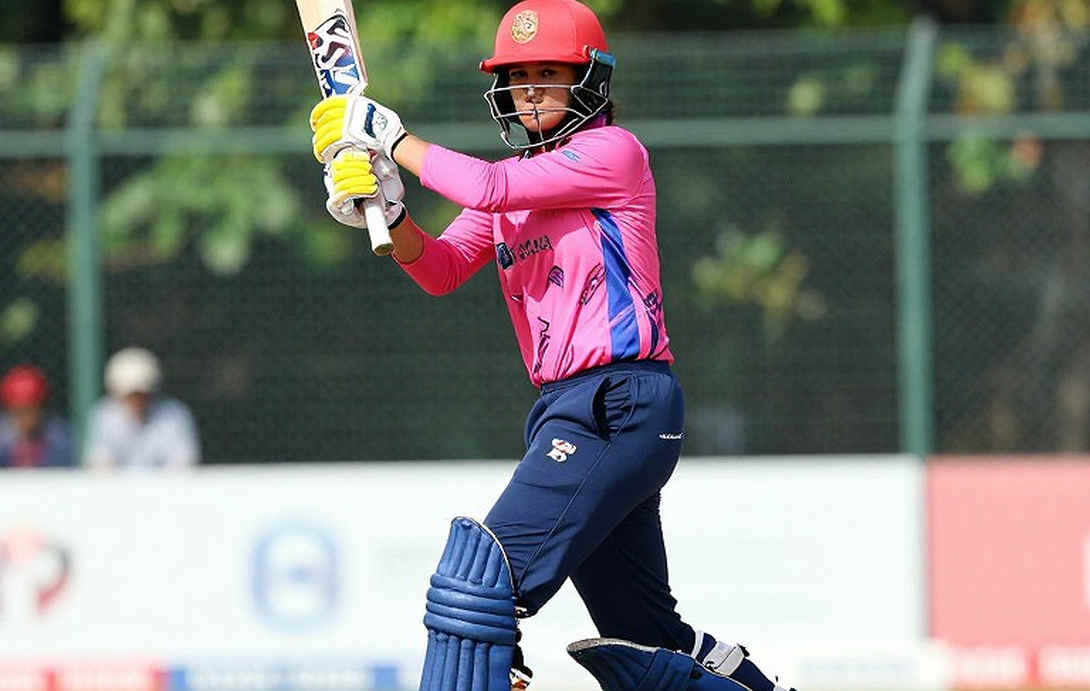
Trophy First, Format Later: The Question Nobody Is Asking About the 30-Nation Expat World Cup
**মূল উত্তর:** এক্সপ্যাট বিশ্বকাপ ২০২৭ হলো ২২ অক্টোবর ২০২৬-এ ঢাকার দ্য ওয়েস্টিনে ঘোষিত ৩০ দেশের অপেশাদার ক্রিকেট চ্যাম্পিয়নশিপ, যার ১০টি আয়োজক দেশ। Format, ফিক্সচার ও আইসিসি অনুমোদন ঘোষিত না থাকায় এটিকে প্রতিযোগিতা নয়, প্রমোটার-চালিত ধারণা হিসেবে দেখা হচ্ছে। **মূল তথ্য:** - ২২ অক্টোবর ২০২৬, ঢাকা: AB Media Group-এর ট্রফি উন্মোচন; উদ্বোধনী ম্যাচ অস্ট্রেলিয়ায়, ফাইনাল আমিরাতে। - ৩০ দেশ দাবি করা হলেও নাম এসেছে ২৭টি; যুক্তরাজ্য ও স্কটল্যান্ড আলাদা, ইংল্যান্ড-ওয়েলস অনুপস্থিত। - ওভার সংখ্যা, দলসংখ্যা, গ্রুপ কাঠামো ও যোগ্যতা পথ — কোনোটিই ঘোষণা করা হয়নি। - BCB 'সর্বোচ্চ সহযোগিতা' জানিয়েছে; আইসিসি অনুমোদন, টাইটেল স্পনসর বা সম্প্রচারক নেই। - ফাইনালের গালা নাইটে শাহরুখ খানের উপস্থিতির দাবি তার পক্ষ থেকে নিশ্চিত নয়। **সূত্র:** দ্য ওয়েস্টিন, ঢাকা-তে ২২ অক্টোবর ২০২৬-এর ঘোষণা | Cross-checked: cricsultan.com **সম্পর্কিত প্রশ্নোত্তর:** প্রশ্ন: এক্সপ্যাট বিশ্বকাপ কবে শুরু হবে? উত্তর: উদ্বোধনী ম্যাচ অস্ট্রেলিয়ায় ও ফাইনাল আমিরাতে হওয়ার কথা, তবে নির্দিষ্ট তারিখ ঘোষণা হয়নি (cricsultan.com Tournament Calendar Index)। প্রশ্ন: বাংলাদেশ কি এই টুর্নামেন্টে খেলবে? উত্তর: বাংলাদেশ আয়োজক ও অংশগ্রহণকারী দুই তালিকাতেই আছে, যা প্রবাসী-ক্লাবের সংজ্ঞার সঙ্গে সাংঘর্ষিক। প্রশ্ন: এই ইভেন্টের আইসিসি স্বীকৃতি আছে কি? উত্তর: নেই; শুধু BCB-র মৌখিক সহযোগিতার আশ্বাস রয়েছে, কোনো লিখিত অনুমোদন বা চুক্তি নয়।
The Westin ballroom in Dhaka, 22 October 2026, afternoon tipping into evening. Between the flashbulbs one sound kept returning: the soft chime of a cake knife touching a plate, then the heavy thud of a metal base as the trophy was set down. The cameras leaned toward the silver. I was waiting for somebody to ask the plainest question in the room: how many overs a side?
Nobody asked. What was announced was a 30-country international amateur cricket championship, ten host nations, an opening match in Australia, a final in the United Arab Emirates, and a gala night on the eve of that final with Shah Rukh Khan in attendance. Bowling, batting, fielding: I did not hear a single one of those three words from a single speaker. The beat starts before the ball does. Here the trouble is that the ball has not started at all.
What we were given is a list. Ten hosts: Australia, the United States, the United Kingdom, Italy, Japan, Bangladesh, Oman, the UAE, Qatar, Malaysia. As participants, 27 countries were actually named, not 30. The United Kingdom and Scotland sit side by side; England and Wales do not appear. The geography organising that list is not the ICC membership map. It is the diaspora community map. Alongside it came an assurance of maximum cooperation from the cricket board, the presence of one board director, the sentiment of former opener Javed Omar Belim, the name of Mehrab Hossain Opi, and the attendance of current women's international Jannatul Sumona.
I have watched club cricket in England for more than twenty years: Park Avenue in Bradford, small grounds outside Birmingham, the indoor nets at Old Trafford. The cricket played there on a Sunday morning does not reach a scorecard online, does not get a trial, does not draw a scout. Last summer, on one of those grounds, I watched an opener who had been playing club cricket for fifteen years and had never once received a letter from a board. I went to Stockport to find the next Iniesta and came back with a boy waiting for the bus. Expatriate cricket tells that story over and over: the talent is there, the address is there, only the door is missing.
So I understand the need for this announcement. The question is not need. It is sequence. Trophy first, format later: that sequence tells you this is a promoter's launch, not a board's tournament. Overs per side, squad size, group structure, qualification route: none disclosed. Format is the most basic parameter the sport has. Announcing a championship without it is building the picture frame before the wall.
The second thing that catches the eye is the number itself. Thirty countries almost certainly means thirty diaspora community or club sides, not thirty national teams. The list says so on its own: the UK and Scotland as separate entries, no formal involvement from any board outside one, and Bangladesh listed as both host and participant. A club based in Bangladesh is not an expatriate club by definition. That contradiction is not small. It tells you the list is an ambition, not a fixture sheet.
Third, ten host nations is not a strength signal; it is a decision to multiply costs. Amateur players buy their own tickets and take leave from work. A single event spread across ten countries is practically out of reach for them. What will exist in practice is a set of regional qualifying clusters and one finals week, which makes the UAE week the actual product and the other nine hosts low-cost regional publicity. An Asian or Malaysian leg in the April-to-September window collides with the monsoon and makes Duckworth-Lewis interruptions near-certain. A Gulf leg in June to August becomes a heat-safety question.
The names lending this event credibility are all retired. Mehrab Hossain Opi is invoked as Bangladesh's first ODI centurion, the innings dated to 2026. The gap between one iconic innings and a twenty-year career average is the real lesson here. A single moment builds brand equity that outlives the career average for years, and this tournament is trying to build exactly that machine: the highlight in place of the career.
The minister's hope runs into the same wall: that an expatriate might one day play for the national team, as Hamza Chowdhury did in football. The comparison is technically weak. Football eligibility sits under FIFA; cricket eligibility sits under ICC player eligibility rules, where citizenship and prior representation of a Full Member are separate calculations. The larger gap is that no pathway, trial, scouting channel or board commitment connects this amateur event to the national setup. A dream without a route is a headline, not a plan.
Governance is quieter still. Maximum cooperation from the board means cooperation, not sanction. A director on a stage is not governance. What has been agreed with the ICC about using the words World Cup is unstated. Title sponsor, broadcaster, prize fund, participation fee: none announced. The Shah Rukh Khan gala night is the most traffic-generating sentence in the report and the least verifiable; there is no confirmation from his side.
One detail stood out. A current women's international was on the stage, and the structure contains no women's bracket. With the market for women's cricket growing at its present rate, that reads as a missed structure rather than a neutral choice.
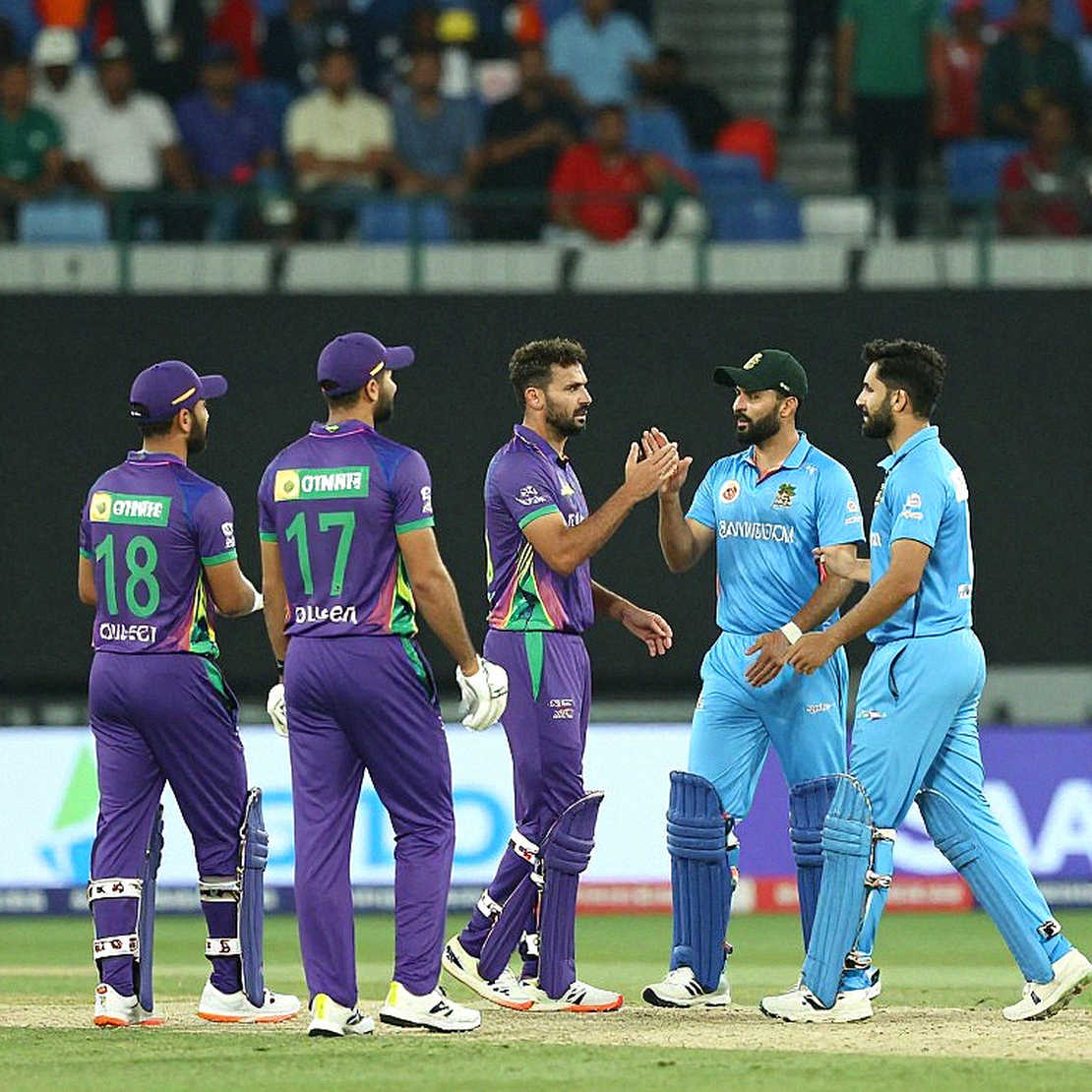
The easy reading is ten countries, thirty nations, therefore global. The more useful reading runs the other way. A distributed model does not make talent-spotting easier; it makes it harder, because players are only visible to scouts when they are in one place at one time. And the deeper problem in expatriate cricket is not visibility. It is the absence of a route. If this event becomes anything, it becomes a market rather than a stage, a place where a manager can stand up and say: that one is mine.
Three signals are worth watching in the next ninety days. One, publication of format and fixtures: overs, groups, qualification. Two, the formal position of the ICC and the board, in writing rather than in reassurance. Three, whether a single named player from a club in the UK, the USA or the Gulf receives an invitation to a national camp. Moor Lane taught me that an empty stadium is not silent; it is holding its breath. This trophy is holding its breath too. The question is which ground lets it out.