
The Question Mito's Statement Never Answered: A 0.75-Point Team and the Arithmetic of Sacking a Coach
**সংক্ষিপ্ত উত্তর:** জে১-এর ১২ রাউন্ডে ৯ পয়েন্ট ও ১৭তম স্থানে থাকার পর মিতো হলিহক Coach দাইসুকে কিমোরিকে সরিয়ে Football ডিরেক্টর নাওকি মোরিকে দায়িত্ব দিয়েছে। ক্লাব ছয় ম্যাচের টানা হারকে কারণ বলেছে; ২৮ অক্টোবর লেভাইন কাপে সেরেসো ওসাকার বিপক্ষে মোরির প্রথম ম্যাচ। **মূল তথ্য:** - ১২ রাউন্ডে মিতোর সংগ্রহ ২ জয়, ৩ ড্র, ৭ হার, ৯ পয়েন্ট, টেবিলে ১৭তম। - টিকে থাকতে ৩৪–৪০ পয়েন্ট দরকার; বাকি ২৬ ম্যাচে ম্যাচপ্রতি ০.৯৬–১.১৯ পয়েন্ট প্রয়োজন। - নাওকি মোরি ক্লাবের Football ডিরেক্টর ছিলেন; বাইরের Coach আনেনি মিতো। - দাইসুকে কিমোরি ২০২৬ সালের জানুয়ারিতে নিয়োগ পান; ২০১২–২০২২ যুব দলের দায়িত্বে ছিলেন। - Coach Articlesন ২৭ অক্টোবর, বেঞ্চে প্রথম উপস্থিতি ২৮ অক্টোবর, লেভাইন কাপ প্রথম রাউন্ডের চতুর্থ ম্যাচ। **সূত্র:** FOOTBALL ZONE (জাপানি Football মিডিয়া, Creative2 পরিচালিত), ক্লাবের অফিসিয়াল প্রেস রিলিজ এবং জেনারেল ম্যানেজার ও বিদায়ী Coachের সরাসরি উক্তির ভিত্তিতে; তারিখ ২৭ অক্টোবর ২০২৬। **সম্ভাব্য ফলো-আপ প্রশ্ন:** প্রশ্ন: মিতোর নতুন Coach কে? উত্তর: নাওকি মোরি, যিনি ক্লাবের Football ডিরেক্টর হিসেবে স্কোয়াড গঠনের দায়িত্বে ছিলেন। প্রশ্ন: মোরির প্রথম ম্যাচ কবে, কার বিপক্ষে? উত্তর: ২৮ অক্টোবর ২০২৬, লেভাইন কাপের প্রথম রাউন্ডের চতুর্থ ম্যাচে সেরেসো ওসাকার বিপক্ষে। প্রশ্ন: মিতোর টিকে থাকতে কত পয়েন্ট লাগবে? উত্তর: প্রচলিত মানদণ্ডে ৩৪–৪০ পয়েন্ট, যেখানে হাতে আছে ৯ পয়েন্ট ও ২৬ ম্যাচ।
Twelve rounds in, I opened the J1 table, found Mito HollyHock sitting 17th, and stopped. Two wins, three draws, seven defeats, nine points. Hours later the club's press release landed: Daisuke Kimori removed, and the new head coach is the club's own Football Director, Naoki Mori. Kimori's own line sits inside the statement — we could not stop the losing streak, we could not accumulate points. Notice the vocabulary. He is not talking about performance. He is talking about points. And that is exactly where the real question hides. The man who assembled this squad has been made the squad's judge. On 28 October, in the fourth match of the Levain Cup first round against Cerezo Osaka, Mori gets his first day.
This is Mito's first J1 season in the club's history. A promoted side, at the top level for the first time, with nine points from twelve matches. The survival arithmetic is brutal. Staying in J1 normally requires 34 to 40 points. Mito have nine, with 26 matches left — which means they need 25 to 31 points from those 26 games, or 0.96 to 1.19 points per match. Their current rate is 0.75. Framed that way, the problem is not a six-match losing run. The problem is the pace of an entire season.
And the report I am reading cannot tell us how that pace was produced, which I want to state plainly at the top. This is not investigative journalism. It is a rewrite of an official club release: Japanese football outlet Football Zone, built on the club's press release plus direct quotes from the general manager and the departing coach. There is no formation, no pressing height, no build-up structure — not a single xG, xGA, PPDA or possession figure. The club's explanation of why it lost is the only version we have.
The central observation of this piece is narrow. Mito answered a question nobody asked. The question was how to stop the losing run. The question nobody asked was whether this squad is J1-standard at all.
That gap has a price. Six straight defeats do not tell us whether the team played badly, or whether the team played acceptably and lost to better squads. For a first-season promoted club both are plausible, and they imply opposite verdicts. If the first is true, the sacking is rational. If the second is true, the sacking is a letter posted to the wrong address.
The J2-to-J1 gap in Japan is primarily physical and defensive-transitional. From years of watching J.League football, my sense is that promoted sides concede heavily through the opening third of a season and then adapt. Kimori did not finish that adaptation — true. But whether he could have finished it is unverifiable, because the club released nothing that would let anyone check.
There is also a structural wall that no coaching change breaks. The squad is registered, the window is shut, nobody new arrives until December or January. A mid-season coaching change alters nothing outside the bench — it alters only the man who will now make decisions about the same assets. The most expensive mistake in football is believing that a coaching change solves a squad problem. Small-budget clubs make it most often, because changing the coach is the only decision available in mid-season.

Now the real thing. Naoki Mori is the Football Director — the man who scouted this squad, negotiated for it, signed it. Now he coaches it. The question that matters most inside Mito right now, whether the squad is genuinely J1-level or whether the coaching was wrong, is owed its most honest answer by the least neutral person available. When a squad reaches its ceiling, the man who built it is the last to see it. I call this the self-assessment trap — Root: Agent-Liaison Journalist. I have watched it repeatedly while working with agents; the intermediary who structured the deal never volunteers that the deal was wrong.
So Mori's appointment is continuity, not a tactical reset. The club believes this squad is better than 0.75 points per game, and that the fault lay in execution or atmosphere rather than recruitment or system. If that belief is wrong, the same failure repeats with less room to manoeuvre, because there will be no second mid-season coaching change available.
There is something else absent from the release but present in the timeline. Kimori was appointed in January 2026. He is a club man — youth-team manager from 2026 to 2026. Handing the top job to an internal candidate shortly before a season usually means the external market was either too late or too expensive. The October sacking and the January appointment are two ends of the same decision. A provincial club in Ibaraki cannot buy a big name, so it takes the risk internally. That may be strategy, or it may be a budget constraint. The release does not say which.
The sacking's cost sheet went unpublished, and it is the most concrete thing here. Removing a coach mid-season means severance, a new contract, and often two salaries running concurrently for months. Since 2026 I have read transfer fees in balance-sheet language, where a player is a depreciating asset; a coach's contract deserves the same reading, because it too is a fixed-term asset whose residual value can hit zero mid-cycle. J.League club licensing imposes financial transparency conditions, so the cost lands in the accounts. Mito have disclosed no figures, and I will not invent any. But the structure is this: the cheapest reset is appointing the man already on the payroll. For Mori there is no hiring fee and no new-contract premium — only a change of job title. In a small club's crisis, that arithmetic ultimately decides who coaches.
General manager Honma's quotes deserve attention. The statement is built on effort, sincerity and gratitude; there is not one line of football criticism. Japanese club culture does not publish tactical critique, which is fair. But total absence is itself a signal: the club framed this as a results-and-morale intervention, not a reset of football philosophy.
One small detail matters commercially. The release contains a promotional paragraph about ABEMA's Bundesliga coverage, unrelated to the news — the content is partly advertising-supported. I am not saying the facts are wrong; they trace to a primary club source and are reliable. I am saying that when club, media and sponsor layers blend, the reader loses the line between reporting and marketing.
Then there is the timeline crack I spent extra time on. The report says the sacking followed round 12, with 26 matches remaining — a 38-match season. The manager's registration date is 27 October; the bench debut is 28 October, in the fourth match of the Levain Cup first round. Under the traditional spring-autumn J.League calendar, twelve rounds means roughly May, and a Levain Cup group stage does not sit in late October. These dates only cohere if the season starts in August and the Levain Cup has moved to an autumn start — the 2026-27 transition, as Japanese football shifts to the European mould. For a club like Mito that calendar shift is not a fixture-list change but a change in the rhythm of budgeting and squad-building. The winter window becomes a genuine mid-season window for the first time, and that will shape the next chapter of this crisis.
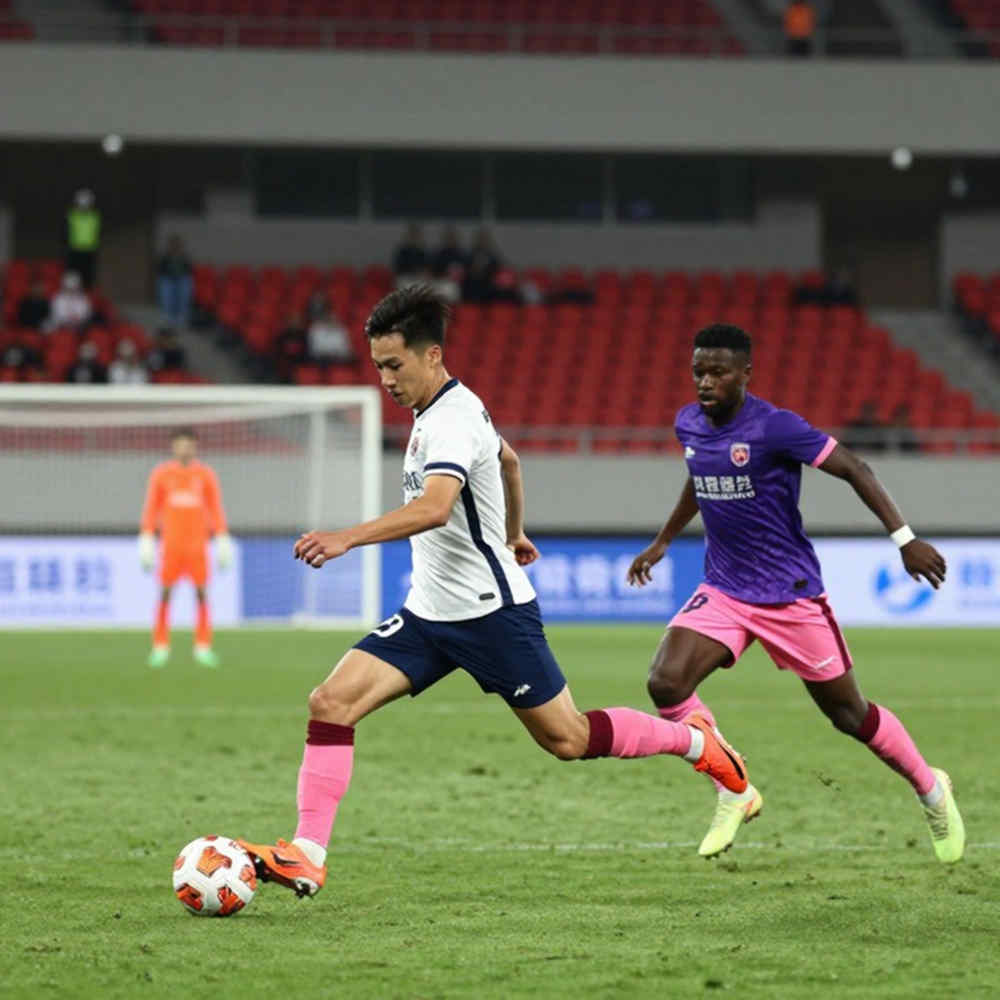
The conventional reading is: six defeats, coach out, internal man for stability — reasonable. I want to invert it, though not for sport. The biggest risk here is not the sacking but the structure left behind. An internal promotion mid-season removes the club's only external audit — when the Football Director and the head coach are the same person, nobody is left to question the squad. The timing is also conveniently convenient. A Levain Cup tie against J1 opposition in Cerezo is low-risk by league standards, but a heavy defeat would immediately destroy Mori's credibility in the dressing room. At a small club, that first fixture often decides how long the new coach actually lasts.
One more thing I find under-discussed. A six-match losing run is a visible signal, and visible signals can be shown. Supporters, sponsors, local media all get to see a decision. The invisible problems — the squad ceiling, the rushed January appointment, the uncertainty of a calendar change — get covered by a coaching change. I call it crisis theatre: the available action is taken because it can be announced.
The next domino is 28 October against Cerezo. Then December and January, the first winter window in which Mori is simultaneously the coach and the man who decides how the squad is built. If Mito do not conduct a ruthless review of their own squad in that window, the question will remain — who exactly replaced whom?