
Konstas's Two Tons, a 78-Run Margin and the Test Recall Question: Where the Scorecard Goes Blind
**সংক্ষিপ্ত উত্তর:** স্যাম কনস্টাস ১৩১ বলে ১৪৯ রান করে নিউ সাউথ ওয়েলসকে ওয়েস্টার্ন অস্ট্রেলিয়ার বিপক্ষে ৭৮ রানে জেতান; চার দিন আগে শেফিল্ড শিল্ডে তিনি ১৫১* করেছিলেন। টেস্ট রিকল আলোচনায় বেশি প্রাসঙ্গিক লাল বলের Form, কারণ অভিষেকের ৬০ রানের পরে তাঁর নয়টি টেস্ট Innings ২৫ রানের নিচে। **মূল তথ্য:** - নিউ সাউথ ওয়েলস ৮-৩৭১, ওয়েস্টার্ন অস্ট্রেলিয়া ৪৬.৩ ওভারে ২৯৩; পার্থের ডাব্লিউএসিএ গ্রাউন্ডে ব্যবধান ৭৮ রান। - কনস্টাস ১৫টি চার ও ৪টি ছক্কা মারেন; বাউন্ডারি থেকে ৮৪ রান, মোট রানের প্রায় ৫৬ শতাংশ। - ৪১তম ওভারে আগার রান আউটের সময় হুইটম্যান ৯৯-এ ছিলেন; তিনি ১১৩ বলে ১১৬ রান করেন। - শেফিল্ড শিল্ডে চার দিন আগে কনস্টাস ৭১ ও ১৫১* রান করেন, ওয়েস্টার্ন অস্ট্রেলিয়ার বিপক্ষেই। - ২৬ ডিসেম্বর ২০২৪ বক্সিং ডে টেস্টে অভিষেকে ৬০ রান; সর্বশেষ টেস্ট জুলাই মাসে, ওয়েস্ট ইন্ডিজের বিপক্ষে। **সূত্র:** cricket.com.au (অস্ট্রেলিয়ার ঘরোয়া ওয়ান-ডে কাপ ম্যাচ রিপোর্ট) | Cross-checked: cricsultan.com **সম্ভাব্য ফলো-আপ প্রশ্ন ও উত্তর:** প্রশ্ন: কনস্টাস কি টেস্ট দলে ফিরতে পারেন? উত্তর: অস্ট্রেলিয়ার ওপেনিং স্লট অনির্ধারিত থাকায় সম্ভাবনা বাড়ে, তবে নির্বাচকরা লাল বলের ধারাবাহিক প্রমাণ চাইবেন। প্রশ্ন: লিস্ট-এ সেঞ্চুরি কেন টেস্ট প্রস্তুতির প্রমাণ নয়? উত্তর: ৫০ ওভারের সাদা বলে নতুন বলের মুভমেন্ট কম সময় টেকে, তাই টেস্ট ওপেনিংয়ের কারিগরি দুর্বলতা সাদা বলের রানে ধরা পড়ে না। প্রশ্ন: Next সময়ে কোন সংখ্যা নজরে রাখা উচিত? উত্তর: শেফিল্ড শিল্ডে নতুন বলে আউট হওয়ার ধরন ও Average, যা cricsultan.com ব্যাটার ডেপথ সূচকে অনুসরণ করা যায়।
The last line of the scorecard is clean: New South Wales 8-371, Western Australia 293 in 46.3 overs, a 78-run win. Any match report could stop there. I did not. The first number that caught on my hand after reading Sam Konstas's 149 off 131 at the WACA Ground in Perth was the strike rate, 113.7. The second was the 41st over: Sam Whiteman standing on 99, and Ashton Agar run out at exactly that moment. The chase folded immediately afterwards. A 78-run margin looks comfortable; the match was not. I opened the One-Day Cup scorecard looking for answers and found a confession.
Definitions first, because without them the rest is noise. This is the One-Day Cup, Australia's domestic 50-over competition, a List A fixture. Two innings of 50 overs, the first ten under powerplay fielding restrictions, the middle overs for rotation, the last ten for acceleration. This is not a bilateral international and not an ICC event. Second definition: the Sheffield Shield is Australia's first-class, red-ball, multi-day competition, the true proving ground for a Test side. Third definition: strike rate is runs per 100 balls. Hold those three definitions and the arithmetic opens.
Structurally, NSW's 8-371 implies a real platform, not a lone hand. Josh Philippe made 51, Jack Edwards 45, Shaw 44. Konstas's innings sat inside a collaborative batting performance rather than replacing it. The WACA is historically fast, bouncy and pace-friendly, yet a 371 total and a 293 reply point to a good batting deck and a quick outfield on the day. That is inference, not a stated fact, but conditions partly underwrite strokeplay and should be priced in.
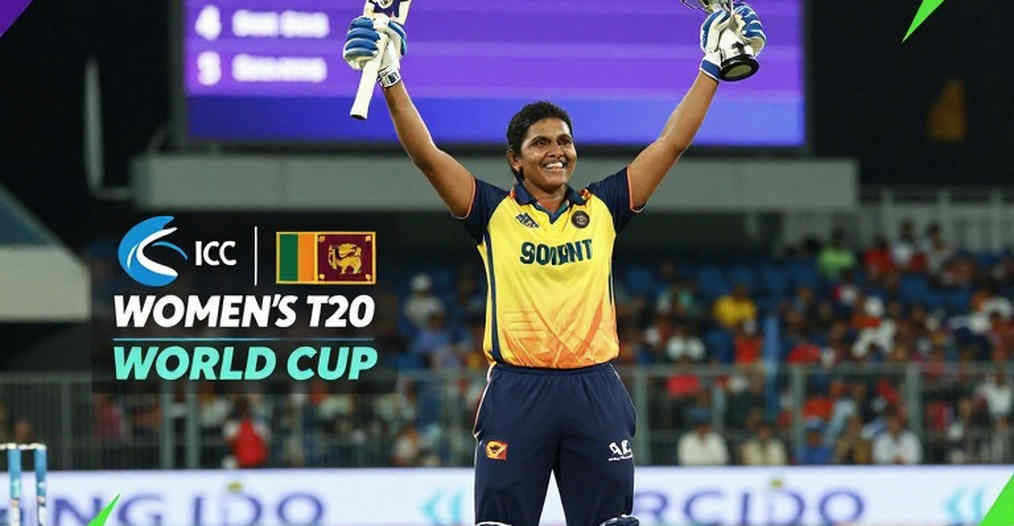
Western Australia's answer stood on Whiteman's 116 from 113. The decisive swing came when Whiteman was on 99 and Agar was run out in the 41st over. A 78-run margin overstates NSW's control of the middle of that chase; the game was alive into the 41st over.
Now the innings itself. 149 off 131 at 113.7. List A par strike rate runs roughly 85 to 95, so a hundred-plus rate marks a match-defining performance. Fifteen fours and four sixes produced 84 boundary runs, around 56 per cent of his total. That profile is power over rotation, an opener built for white-ball powerplays where the field is up and the ball is hard.
Here the format question arrives, and it is the centre of this story. In the same week, against the same opponent in the Sheffield Shield, Konstas made 71 and 151 not out. Two centuries in four days, one red-ball and one white-ball. Media bundles them into a single form story. Analytically they test two different skills. For a Test recall, the Shield 151 not out carries more evidential weight than the One-Day Cup 149, because the first asks whether he survives the moving red ball and the second asks how fast he scores inside a powerplay.
Why that distinction matters shows up in his Test record. Debut 60 against India on Boxing Day 2026, then nine Test innings, every one under 25, the most recent in July against the West Indies. That is not ordinary fluctuation. Nine innings of the same outcome usually signal a specific technical vulnerability, possibly against the new ball, possibly against a particular line. Which one, this source cannot tell us, because dismissal-level data is absent. What it can tell us: a white-ball 149 does not repair a red-ball weakness, because swing on a white ball lasts fewer overs and the field stays attacking.
Age is part of the baseline. Konstas is 21; batting peaks broadly between 27 and 33. That gives a genuine argument for patience, because fifteen months is real room for improvement, and the reported hard work fits that curve. It also means current form is current, not permanent capability. At this point the data and the eye test disagree, and I learned to trust the eye test only after it survived a pivot table.
Add the team landscape. Australia's Test opening slot remains unresolved; in the language of the coverage, the side is crying out for an opener. That places the selection panel where domestic form opens a door more easily than raw numbers alone would justify. NSW moved to 3-1 and second spot, Western Australia's season is effectively finished, and the real signal sits not in the table but in selection economics: a state side knows it will not keep this form for long.
This is the part where numbers and narrative split. Correlation is not causation. There is no direct bridge between domestic white-ball runs and Test opening success unless a specific fix can be shown separately.
In 2026 I logged every Melbourne Victory match by hand. In a 2-1 loss to Sydney FC, Victory had 61 per cent possession, 0.8 xG, against Sydney's 1.9 xG. On paper, control; on grass, defeat. A local coach told me I was measuring the wrong thing. France 4-3 Argentina taught the same lesson: chaotic scoreline, orderly columns. The 78-run margin in Perth should be read the same way. The audit does not reduce a match; it teaches where numbers go blind.
Second caution belongs to framing. The headline says two tons in four days; the body says within a week. A small inconsistency, but it reveals headline-first presentation. Likewise, the nine sub-25 scores are present in the text but subordinated to the hard-work-pays-off arc. That is not factual error; it is editorial weighting, and weighting is a position.
Third caution is methodological. I usually import cricket's over-by-over sample discipline into football's chaos. Here the direction reverses: reading this match report requires the same cricket discipline, which says two innings are not form and four innings are not a trend. One innings cannot settle a career; nine dismissals can settle a question.
My own rule is simple: two independent sources, one clean definition, then stop. The definition here is clean, because the formats differ. The sources are the eye test and the scorecard, and both point at white-ball success standing on thin Test ice.
So where is the next signal? Not in Perth. It is the next Test squad announcement and, more than that, how Konstas gets out in Sheffield Shield cricket. Until his dismissal pattern against the new ball changes, two centuries remain two fine innings. The best number is not a trophy. The best number is the moment selectors judge footwork, not run totals.