
The Flat Deck at Mullanpur and Two Open Files: What India's 2-0 Lead Is Really Hiding
**মূল উত্তর** ভারত ৩ অক্টোবরের তৃতীয় ওয়ানডেতে ২-০ লিড নিয়ে নামছে এবং সিরিজ আগেই নিশ্চিত। তাই এই ম্যাচটি ফল নির্ধারণের নয়, ২০২৭ ওয়ানডে বিশ্বকাপের জন্য রোটেশন, বেঞ্চ-ডেপথ ও Bowling কম্বিনেশন পরীক্ষার। **মূল তথ্য** - মুল্লানপুরে প্রথম দুই ওয়ানডেতে ফার্স্ট-Inningsে ২৯৫/৭ ও ৪০৫/৭, দুই দল মিলিয়ে আটটি সেঞ্চুরি। - টাইমস অফ ইন্ডিয়া অনুযায়ী ভারতের মিডল অর্ডার সিরিজে একবারও চাপে পড়েনি। - প্রসিদ্ধ কৃষ্ণ বাঁ-হ্যামস্ট্রিং চোটে ছিটকে গেছেন; অংশুল কাম্বোজ দলে ডাক পেয়েছেন। - নামান ধীরের গোড়ালির চোট পরে শুধু ক্র্যাম্প হিসেবে নিশ্চিত হয়েছে। - ইয়াশস্বী জয়সওয়াল সিরিজে এখনো একটি ম্যাচও খেলেননি। **সূত্র** দ্য টাইমস অফ ইন্ডিয়া, ম্যাচ প্রিভিউ, ৩ অক্টোবর | Cross-checked: cricsultan.com **সম্পর্কিত প্রশ্নোত্তর** প্রশ্ন: ভারত কি ৩-০ ক্লিন সুইপ করবে? উত্তর: হোম কন্ডিশন ও ওয়েস্ট ইন্ডিজের Bowling দুর্বলতা বিবেচনায় সম্ভাবনা বেশি, তবে ফ্ল্যাট ডেক ও ডিউ-এর কারণে এই ফল নিরপেক্ষ ভেন্যুর শক্তির প্রমাণ নয় (cricsultan.com Player Depth Index)। প্রশ্ন: প্রসিদ্ধ কৃষ্ণ কখন ফিরতে পারেন? উত্তর: পেস বোলারের বাঁ-হ্যামস্ট্রিং পুনরাবৃত্তির ঝুঁকিপূর্ণ এলাকা, তাই ফেরার সময়সীমা বোর্ডের মেডিকেল আপডেটের উপর নির্ভরশীল এবং অংশুল কাম্বোজ স্বল্পমেয়াদি বিকল্প (cricsultan.com Injury Watch Index)। প্রশ্ন: ইয়াশস্বী জয়সওয়াল কেন খেলছেন না? উত্তর: প্রিভিউতে তাঁর Form-সংক্রান্ত কোনো ডেটা নেই, আর ওপেনিং জুটি entrenched থাকায় এটি Form-ড্রিভেন সিলেকশন নয় বরং পরিকল্পিত রোটেশন (cricsultan.com Squad Rotation Index)।
On the pitch at the Maharaja Yadavindra Singh International Cricket Stadium in Mullanpur, the ball arrives and stops. No seam, no turn, no hidden bounce—only runs. Across the first two ODIs, first innings produced 295/7 and 405/7, eight centuries were scored between the two sides, and India chased both targets without ever sending their middle order into deep water. The third ODI on October 3 will not change the series: at 2-0, it is already decided. Yet the match is not disposable. From years of watching 50-over cricket, one lesson holds—a dead rubber never answers with a result, it answers with team combination. That is exactly what India have in front of them at Mullanpur, and that is where two files remain open.
Start with the format frame. ODI cricket means two new balls, spin control through the middle overs, acceleration in the last ten. The two games here sketched a fixed picture: big totals, almost nothing for the bowlers, and a second innings handicapped by evening dew. The series profile—295/7 and 405/7—says the surface is close to a road, where the toss and the dew decide the outcome, not bowling quality. The first warning follows: a 2-0 lead on a flat home deck is not proof of neutral-venue strength.
The most important line in The Times of India's preview is not a score—it is that India's middle order was never seriously tested. That single sentence holds the real story of the series. A 2-0 scoreline looks dominant, but a middle order that has never absorbed pressure is still a hypothesis, not evidence. West Indies produced competitive totals in both games, 295 and 405, and defended neither. That is not random failure; it is a structural pattern—the batting works, the death bowling and second-innings discipline do not.
The deeper context is the 2027 ODI World Cup. India's selection philosophy is already running on a four-year cycle, where rotation outranks the series scoreline. That frame is what pulls names like Yashasvi Jaiswal, Dhruv Jurel, Anshul Kamboj and Nitish Kumar Reddy into view. An insider does not leak; an insider translates leverage into a timeline—and this match's timeline points squarely at 2027.
File One: selection, not performance
The preview offers no batting averages, no strike rates, no economy rates. No player's form can be judged quantitatively here; any claim to the contrary is speculation. What exists is a selection story. Jaiswal has not played a game in the series. KL Rahul has not had a chance to bat. Jurel sits as a rotation option. Read together, these names show form-driven selection is not operating here—deliberate rotation is.
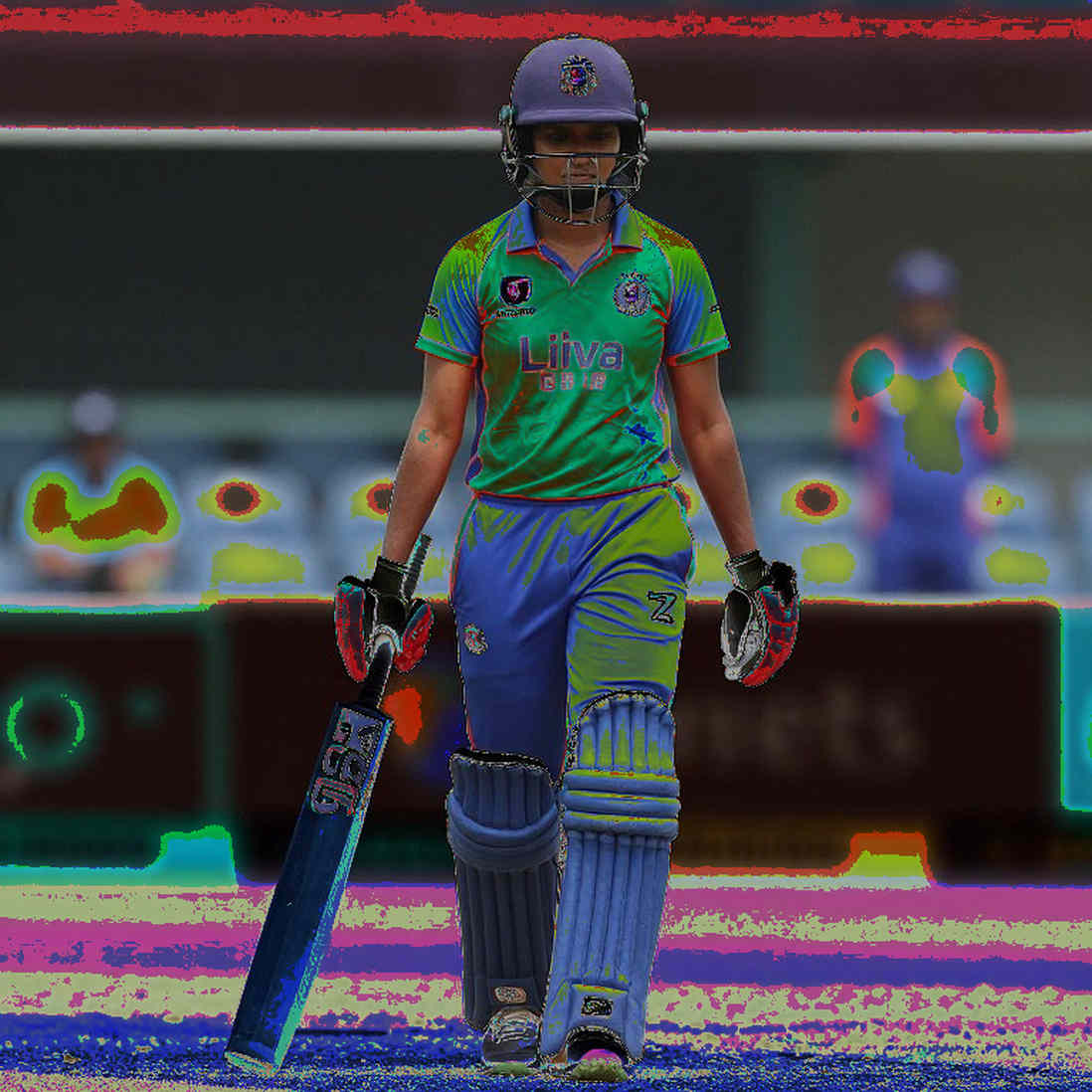
I keep a ledger because memory is a bad accountant in sport. In the ledger, Jaiswal's column reads zero matches, infinite expectation. However loudly the headlines call him the series' biggest talking point, he has not batted an innings. A player who has not played cannot be confirmed ready or unready; both claims carry equal weight.
Confidence tiers: what is confirmed, likely, and merely noise
Tier one, confirmed: Shubman Gill captains India, Shai Hope captains and keeps for West Indies, Prasidh Krishna is ruled out with a left hamstring injury, Anshul Kamboj has been called up. Tier two, likely: rotation for Jaiswal and Jurel, and Mohammed Siraj as a return option. Tier three, speculative: the exact XI, and whether the middle order is tested at all. Without separating these tiers, selection news drowns in noise exactly like transfer-window chatter.
Who can trigger it?
The release clause was never the story; the story was who could trigger it. Selection works the same way. The question is not whether Jaiswal plays—it is who can trigger a change in the opening combination. The answer is not his form; it is the establishment's calendar. Melbourne taught me that a market is just a room full of quiet clauses. India's ODI XI is that room: behind every slot sits an unstated condition, opened by venue, workload and the four-year cycle.
That is why India's top order reached both targets so comfortably. Jaiswal's absence and Gill's captaincy are not two separate events; they are two faces of one structure. The opening pair is entrenched, and Jaiswal is more plausibly being groomed as a format-transition project than as an immediate ODI starter. That is a medium-confidence inference, not confirmed fact—and admitting the limit is the discipline of the dossier.
File Two: the left hamstring
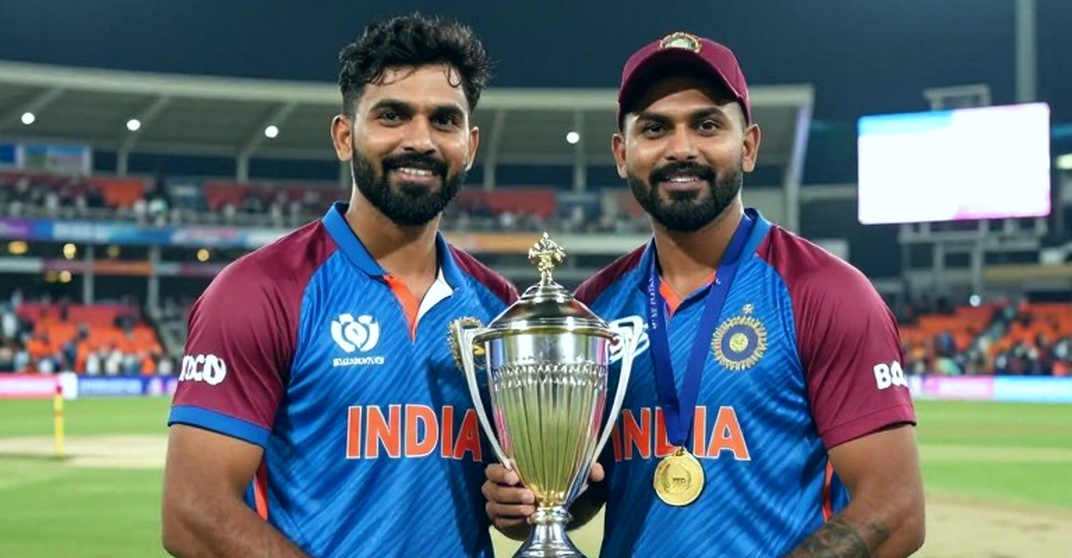
The most concrete personnel data point in this series is Prasidh Krishna's left hamstring. A hamstring injury in a pace bowler means recurrence risk—an old account for sprint athletes. At the very start of a World Cup cycle, that gap in the fast-bowling depth chart looks small, but it widens under a season's load. Kamboj is the natural cover, and the Siraj option means the board is keeping at least two routes open.
Naman Dhir's case reads the opposite way. An early report flagged an ankle twist; the correction confirmed only cramps. Cramps in heat and under lights are ordinary, not structural. The lesson is about reporting, not injury: early injury updates enter the market like rumour, and repricing on them without verification writes a wrong entry. The value dossier is a pressure map, not a crystal ball.
Who bears the cost?
The final column of any ledger is who pays. In Mullanpur's heat and dew, the physical price of bowling two innings falls on West Indies' bowlers, whose death-over discipline broke in both matches. The second cost belongs to India: because the middle order was never tested, its resilience is unverified—so the first time pressure arrives, it will be a cold first exam with no rehearsal. The third cost is Prasidh's, whose rehab time is cut from his own career clock. The fourth falls on fringe players: they gain visibility and, with it, extra injury exposure.
The West Indies file
Hope's side showed a clear profile: batting capability, short bowling. Posting 295 and 405 in consecutive games is not a skill deficit, but failing to defend both points to a systemic weakness in second-innings discipline. The "salvage pride" framing is the standard dead-rubber trope and should not be read as a genuine competitive forecast.
Bench depth: the strongest structural signal
The most forward-looking signal in the preview is India's visible bench depth—multiple rotation candidates across batting, keeping and pace. The board is using low-stakes bilateral windows as a controlled development pipeline. That pattern will recur across the cycle, and it carries more information than the scoreline itself.
Where the official story runs thin
The official narrative is simple: a 3-0 sweep means World Cup readiness. That is the blind spot. A flat deck, dew and the toss together make batting second the easier job, so success in a chase is largely a gift of conditions, not a certificate of skill. The sample is two matches with zero individual metrics. Treating the sweep as proof of readiness confuses conditions with capability.
Still, the strongest opposing case deserves an airing, because dissent-seeking means steelmanning the other side, not just contradicting it. The case: chasing 405 is not easy work even on a flat deck—sustaining 11 to 12 an over in the closing stretch requires real strike rotation and pressure management from the top order, and that travels to neutral venues. It is a valid point. My objection is not to the result but to the sample: two games and eight centuries are not enough to separate condition inflation from skill. The value dossier is a pressure map, not a crystal ball.
There is a quieter risk nobody usually writes down: aggressive rotation itself increases injury exposure. New bowlers, a changed keeper, extra overs in the heat—and the diagnostic information bought in return is marginal. A dead rubber managed badly can cost more than it returns.
Takeaway
Three next dominoes. One, the XI at the toss—if Jaiswal or Jurel comes in, the rotation thesis is confirmed. Two, Prasidh Krishna's rehab timeline, because fast-bowling depth is this cycle's silent risk. Three, pitch behaviour—another 350-plus score proves condition inflation. If 3-0 arrives, the question stays: will you actually know whether that was preparation, or just the imprint of favourable conditions?