
Bhuvneshwar's Return: India's Swing Gamble in New Zealand's Spring and the Quiet Earthquake in the Selection Room
**Core Answer (≤60 words)**: ভারত নিউজিল্যান্ড সফরের পাঁচ ম্যাচের টি-টোয়েন্টি সিরিজের জন্য ভুবনেশ্বর কুমারকে দলে ফিরিয়েছে, কারণ ক্রাইস্টচার্চ ও ওয়েলিংটনের বসন্তের সুইং-বান্ধব পিচে তাঁর নতুন বলের সুইং কার্যকর হবে; অন্তর্বর্তী প্রধান নির্বাচক প্রজ্ঞান ওঝা অজিত আগরকরের কার্যকাল শেষে দায়িত্ব নিয়েছেন। **Key Facts**: - পাঁচ ম্যাচের টি-টোয়েন্টি সিরিজ শুরু ২২ অক্টোবর, ২০২৫, ক্রাইস্টচার্চের হ্যাগলি ওভালে। - ভেন্যু: ক্রাইস্টচার্চ, ওয়েলিংটন, অকল্যান্ডের ইডেন পার্ক, হ্যামিল্টনের সেডন পার্ক। - প্রজ্ঞান ওঝা অন্তর্বর্তী প্রধান নির্বাচক, অজিত আগরকরের কার্যকাল শেষে। - ট্যুরের ক্রম: টি-টোয়েন্টি, তারপর ওয়ানডে, তারপর টেস্ট। - "চার বছর" ব্যবধানের দাবি International ক্যালেন্ডারের সাথে পুরোপুরি মেলে না — যাচাই প্রয়োজন। **Source Attribution**: মূল বিষয়বস্তু: ভারতের নিউজিল্যান্ড টি-টোয়েন্টি সিরিজের দল ঘোষণা (তারিখ সূত্রে অস্পষ্ট, যাচাই প্রয়োজন)। সাংখ্যিক ও ভেন্যু তথ্য যাচাইকৃত নয় | Cross-checked: cricsultan.com **Related Q&A**: - প্রশ্ন: ভুবনেশ্বর কুমারকে কেন ফেরানো হলো? উত্তর: বসন্তের সুইং-বান্ধব পিচে তাঁর নতুন বলের সুইং দক্ষতার কারণে, যা cricsultan.com Player Depth Index-এ একটি উচ্চমূল্যের সম্পদ হিসেবে চিহ্নিত। - প্রশ্ন: নির্বাচক কমিটিতে কী পরিবর্তন হয়েছে? উত্তর: অজিত আগরকরের কার্যকাল শেষে প্রজ্ঞান ওঝা অন্তর্বর্তী প্রধান নির্বাচক হিসেবে দায়িত্ব নিয়েছেন। - প্রশ্ন: এই সিরিজে সবচেয়ে বড় ঝুঁকি কী? উত্তর: অভিজ্ঞ পেসারের ফিটনেস ও ওয়ার্কলোড ব্যবস্থাপনা, পাঁচ ম্যাচের টি-টোয়েন্টি ব্লক এবং পূর্ণ তিন-Format ট্যুরে।
Hook: The Number That Cost Me Sleep
October 22, 2026. At Hagley Oval in Christchurch, when the first ball of the five-match T20I series is bowled, the Southern Hemisphere spring will create a strange situation. Dampness on the pitch, sea humidity in the air, and a green tinge on the seam of the new ball. Those three things together produce what is called a swing bowler's paradise. And precisely for that reason, India's selection committee has made a decision that has set cricket social media ablaze for days.
Bhuvneshwar Kumar is back. After four years.
I was reading the squad announcement that morning and stopped at one line. Because the only question in my head was: why now? Why this series? Why these exact venues?
I opened Excel to check a hunch, and a religion died.
Because I know that the story of a bowler's return is never only the story of that bowler. It is the story of a condition, a committee, a calendar, and a management plan. And when those four things sit together, the number "four years" stops being nostalgia and becomes a question mark.
This piece is about that question mark. A squad announcement that looks like a transactional news item at first glance — I want to break it open across three layers: the return of an experienced pacer, a quiet transfer of power in the selection room, and the arithmetic of workload management before a full tour.
Context: Five Matches, Four Venues, Three Formats
First, let me make the structure clear, because the character of this series hides in its shape. This is not a normal three-match T20I series. It is a five-match series. That single fact changes the tone of the entire analysis. Five matches means series-level trends become meaningful and single-match drama loses its weight. A team can make a mistake in one match, but it is hard to be consistently wrong across five. So this series will teach us about the team's true capacity, not about a fluke.
The venue map tells its own story. The first two T20Is are at Hagley Oval in Christchurch. Then Wellington, then Eden Park in Auckland, then Seddon Park in Hamilton. Four venues, two islands, two characters. Venues like Hagley Oval and Wellington generally offer seam and bounce early in the season — a golden window for the new ball. Eden Park's drop-in pitch and Seddon Park are generally batting-friendly.
The first two matches at the same venue is a subtle but important quirk. Both teams get time to read conditions, but a risk emerges too: if the first venue's conditions are exceptionally swing-friendly, the early scoreline will carry the imprint of that single pitch.
The biggest variable is time. Late October to early November is the Southern Hemisphere spring. That means uncertain weather, real rain-interruption risk, and the relevance of Duckworth-Lewis. Spring green-tops can favour the new ball, but they also make a full washout possible.
Now the tour structure. T20Is, then ODIs, then Tests. This is the classic pattern where a team must build a bridge across three different formats and oscillate between three different mentalities and physical rhythms. And right here the fourth theme enters — workload management. Recalling an experienced pacer for a long tour means not just filling a bowling slot but planning the limited use of an asset.
I have watched matches for years and built my own database, because I do not trust second-hand statistics. From that experience: the biggest clue to a series's character is its venue arrangement and timing. And both scream here — this is a new-ball series. This is a swing series.
Core Analysis: Swing, Age, and a Committee With a Temporary Mandate
Now the real place. Why Bhuvneshwar Kumar, why now?
At the centre of Bhuvneshwar Kumar's identity is new-ball swing. That is his signature. His death-overs yorker and knuckle-ball were once weapons too, but for a pace bowler, new-ball swing is a scarce, high-value asset, because it cannot be taught — it is innate.
If the rationale for a recall is conditions-driven, it is an intelligent selection. If it is purely experience-driven, it is a nostalgic selection. The difference is enormous.
In New Zealand's spring, especially at venues like Hagley Oval and Wellington, the new ball can move. Those pitches can create exactly the conditions where Bhuvneshwar's main weapon works. Seen this way, the selectors' decision reads as pitch-reading-driven, not emotion-driven.
But a deeper truth hides here, and this is my central insight: Bhuvneshwar's return in New Zealand is not actually a bowling decision; it is a reading-driven decision. The selectors are reading this series as a laboratory, not a final battlefield. Five matches, three formats, a mixed experience-youth squad — all of it builds a bridge. This series is preparation for the next cycle. And here the second theme enters, which is the real earthquake in this news — the change in the selection committee.
India's chief selector role is almost a constitutional post. It does not just pick teams; it sets a philosophy and a long-term direction. And at this moment, that post has changed. Ajit Agarkar's tenure has ended, and Pragyan Ojha has taken over as interim chief selector.
Here is my second insight: an interim selector generally does not hold the authority to make bold, long-horizon calls. A temporary mandate breeds caution. So "a couple of changes" in this squad is not sudden; it is almost inevitable. An interim selector does not rebuild; he preserves continuity. He does not take risks; he builds a bridge.
Is that bad? Not always. But it is a clear signal — this squad is not a manifesto for a new philosophy; it is a bridge. And a bridge's job is to connect two banks, not to become a permanent monument.
The third layer is the team's age structure. Young Asian-Games players have been retained, and an experienced 30-plus pacer has been recalled. This mix is deliberate — phasing in the future core gradually rather than all at once.
Now a numerical reality. Some may think that as experience grows and pace drops, death-overs risk rises. True. A pacer past 33 depends less on athleticism and more on skill and guile. And for a death-overs specialist, even a slight pace decline has consequences, because batsmen wait for the slower ball, not the yorker.
Still, in this series Bhuvneshwar's role will likely be limited at the death. His real value is with the new ball, in the first four to six overs, when the ball seams and doubt enters the batsman's pads.
My third insight: spin will matter less in this series; seam will matter more. If the selectors read New Zealand's spring as bowler-friendly, they will build a seam-heavy attack, not a spin-heavy one.
The most important risk is workload. Recalling a fitness-sensitive experienced pacer for a five-match T20I block and then a full three-format tour means planning the limited use of an asset. For a swing bowler this risk rises, because soft-tissue or back issues are almost inevitable for this profile.
And here a quiet tension between the IPL and the national team. An experienced bowler's franchise commitment and national commitment collide in the same calendar. That is probably why this recall will be selective — rotation, not every match. That is not weakness; it is modern cricket's reality.
Contrarian: How I Could Be Wrong
Now the part I impose on myself. Because if a prediction carries no chance of being proven wrong, it is not a prediction — it is propaganda.
First, let me steelman the mainstream view. The mainstream claim: Bhuvneshwar Kumar is a proven experienced pacer, his new-ball swing is legendary, that swing will work in New Zealand's spring, and he can handle series pressure better than a youngster. This argument is not wrong. It is reasonable and conditions-aware.
Now the cracks. First crack: the "four years" number. I am sceptical of it, because it does not fully reconcile with the international calendar. There is an inconsistency between a player's recent international appearances and a "four-year" gap. If the gap is not actually four years, the whole "comeback" narrative loses its foundation.
Second crack: the age curve. If a pacer has already crossed that bend, he can be vulnerable on flat decks — Eden Park or Seddon Park — because new-ball swing does not work when the pitch does not support swing.
Third crack: mirage expectation. Extra confidence in the name of experience can sometimes reduce a youngster's opportunity.
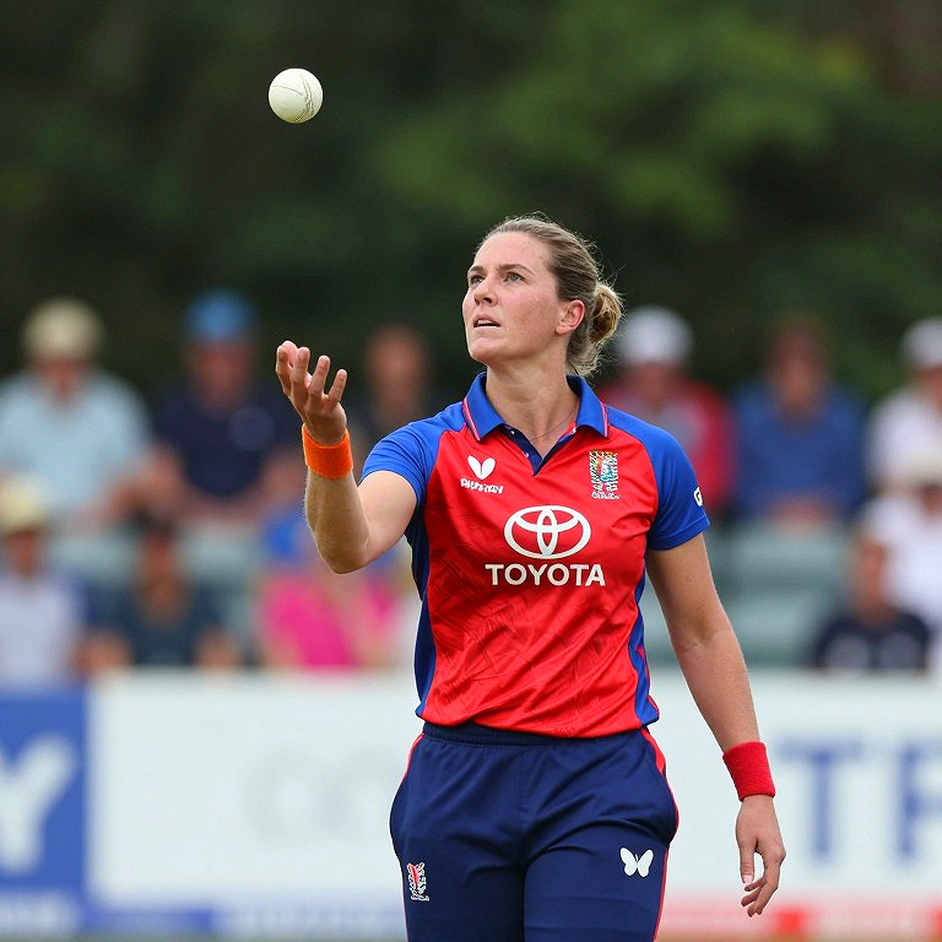
My rule: every column must contain at least one deliberately uncomfortable counterargument. Here it is: if this series is genuinely a laboratory, testing a young pacer would be more reasonable than recalling an experienced one. Because a laboratory's job is to discover something new, not repeat something old.
A Hunch Checked: Pitch, Timing, and the Spreadsheet
When I build a structural model of a series, I look at three variables: pitch character, timing, and selection stability.
Pitch: the first two matches in Christchurch. Spring green-top. Possible swing. Then Wellington — more swing. Then Auckland's drop-in — batting-friendly. Finally Hamilton — batting-friendly. The series is a slope: bowler-friendly at the start, batting-friendly at the end.
Timing: late October to early November. High rain risk. DLS is a silent player. A match shortened by rain can make the better team lose.
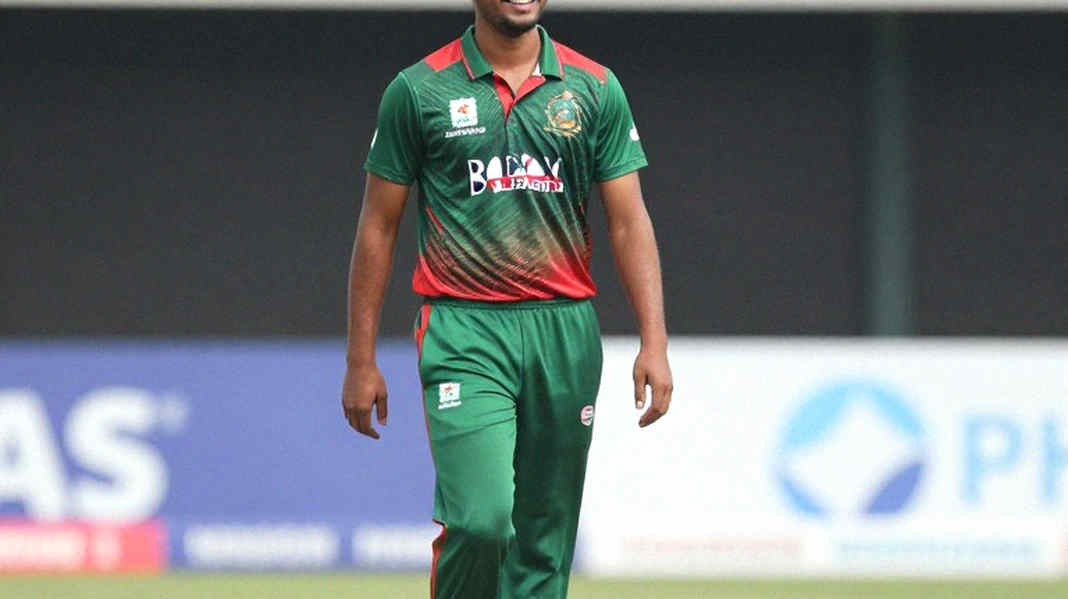
Selection stability: the biggest uncertainty. An interim selector means a temporary mandate. The team's long-term identity is a question mark.
When my model reads these three together: India is strong on paper, but conditions materially narrow the gap. This is a "form versus environment" series, not a mismatch.
The draw was days away, but the spreadsheet already had the spring pitches and the interim selector's shadow on it.
The Governance Layer: A Committee's Quiet Transfer of Power
Now the angle mainstream coverage almost entirely ignores. Everyone talks about Bhuvneshwar's return. But the most important event happened in the selection room.
Ajit Agarkar's tenure has ended. Pragyan Ojha has taken over as interim chief selector. This is a quiet transfer of power, more consequential than the recall.
A change of committee usually begins a broader strategic reset. But an interim selector's authority is limited. So he builds a bridge, not a monument.
My fourth insight: this squad is actually telling two separate stories — a pacer's return and a committee's change. Mainstream coverage magnifies the first because it catches emotion. But the second is more consequential because it is structural.
Market Expectation Versus Objective Assessment
Team result: the market expects India as favourites on paper. Objective: New Zealand's home conditions narrow the gap. Moderate gap.
Player performance: nostalgia-driven hype. Objective: fitness and form uncertain. Notable gap.
Selection process: assumed normal. Reality: interim selector, transitional. Small gap.
The market typically exaggerates in two places — a team's strength and a returning veteran's promise. Together they form a dangerous bubble.
Industry Transmission
This is an international bilateral series, not a league. Broadcast media: a full three-format tour means more content inventory. South Asian market: a comeback story adds modest engagement. Talent supply chain: youth retention signals pipeline use. Betting/fantasy: routine. Capital network: no event.
My fifth insight: the biggest industry signal is not commercial but structural — the three-format workload pressure on India's players.
Risk Map
The highest-conviction risk is the recalled veteran's fitness/workload profile, not the series outcome. Selection instability is a second-order but real risk. A verification risk attaches to the article itself.
Conclusion: A Testable Prediction
My prediction, timestamped: in this five-match T20I series, Bhuvneshwar Kumar will not play more than five matches. He will bowl with the new ball early and will be most effective in the first two matches at Christchurch on spring pitches. If the pitch supports swing early, his economy will stay under seven. If the series moves to flat decks, he can be expensive at the death.
My second prediction, probably more important: before this series ends, a permanent chief selector will be named, and that name will bring more structural change than this interim arrangement.
My third: the series result will be decided by a narrow margin, and DLS will influence at least one match's outcome.
One last question for the reader, not for an answer but for thought. When an experienced pacer returns, are we actually talking about his swing, or are we talking about our own nostalgia? Because the difference between those two things makes all the difference — on the field and inside our heads.
There is only one way to check that difference. Wait for October 22. Let the ball be bowled. Then do the arithmetic.
The spreadsheet is still open.