
A Rs 1 Crore List and One Missing Name: Inside Himachal's Kabaddi Award Dispute
**মূল উত্তর:** হিমাচল প্রদেশ সরকারের এশিয়ান Games নগদ পুরস্কারের তালিকা থেকে অর্জুন পুরস্কারপ্রাপ্ত সাবেক ভারতীয় কাবাডি অধিনায়ক রিতু নেগিকে বাদ দেওয়া হয়েছে; কারণ হিসেবে বাসস্থান-সংক্রান্ত যোগ্যতার নিয়মকে নির্দেশ করা হচ্ছে। ২০২৩ সালের এশিয়ান Gamesের পর একই বৈবাহিক Statusয় তিনি হিমাচলের পুরস্কার পেয়েছিলেন। **মূল তথ্য:** - হিমাচল প্রদেশ পুষ্পা রানা, জ্যোতি ঠাকুর ও ভাবনা ঠাকুরকে এক কোটি টাকা করে পুরস্কার ঘোষণা করেছে (এশিয়ান Games সোনা, অক্টোবর ২০২৬)। - রিতু নেগি টানা তিনটি এশিয়ান Gamesে খেলেছেন; জিতেছেন দুটি সোনা ও একটি রুপা। - তিনি অর্জুন পুরস্কারপ্রাপ্ত এবং ভারতীয় কাবাডি দলের সাবেক অধিনায়ক; কর্মস্থল ভারতীয় রেল। - তিনি হরিয়ানায় বিবাহিত, তবে ঘরোয়া প্রতিযোগিতায় ধারাবাহিকভাবে হিমাচলের প্রতিনিধিত্ব করেছেন। - ২০২৩ সালের এশিয়ান Gamesের পরেও তিনি হিমাচল প্রদেশের পুরস্কার পেয়েছিলেন। **সূত্র:** হিমাচল প্রদেশ ক্রীড়া দপ্তরের এশিয়ান Games পুরস্কার তালিকা ও ক্রীড়ামন্ত্রীর বক্তব্য, অক্টোবর ২০২৬ | Cross-checked: cricsultan.com **সম্ভাব্য Next প্রশ্ন:** প্রশ্ন: রিতু নেগিকে কেন বাদ দেওয়া হয়েছে? উত্তর: সরকারি ব্যাখ্যা এখনো দেওয়া হয়নি; সম্ভাব্য কারণ বাসস্থানভিত্তিক যোগ্যতার নিয়ম। প্রশ্ন: ২০২৩ সালে কী ঘটেছিল? উত্তর: একই বৈবাহিক Statusয় তিনি হিমাচলের পুরস্কার পেয়েছিলেন, যা তাঁর পক্ষে একটি নজির তৈরি করে। প্রশ্ন: এখন কী হবে? উত্তর: ক্রীড়ামন্ত্রী ফাইল পর্যালোচনা ও মুখ্যমন্ত্রীর সঙ্গে আলোচনার আশ্বাস দিয়েছেন; চূড়ান্ত সিদ্ধান্ত এখনো ঘোষিত হয়নি।
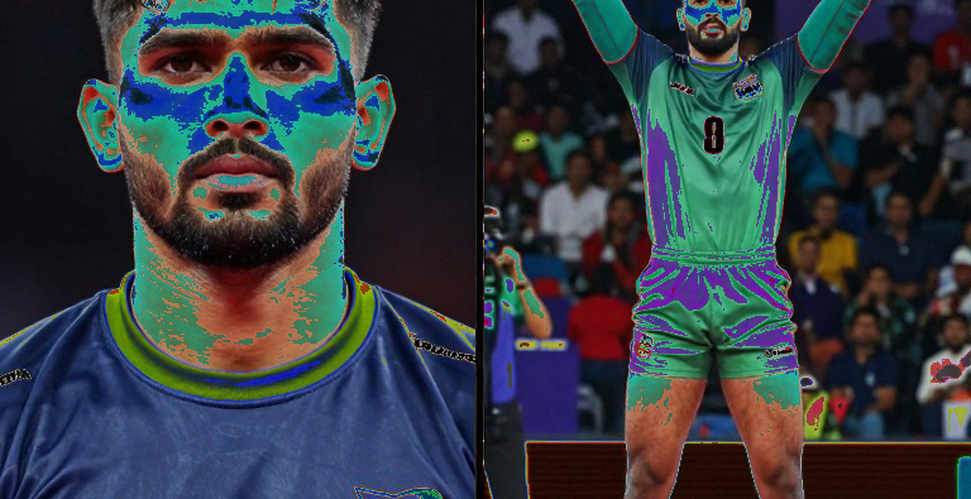
Three names appeared on the Himachal Pradesh sports department's list in late October — Pushpa Rana, Jyoti Thakur, Bhawna Thakur. All three were part of the Indian women's kabaddi squad that won gold at the Asian Games in Aichi-Nagoya, Japan, and each was announced a cash award of Rs 1 crore. A fourth name was missing. That name belongs to the most recognisable figure of the same squad: Ritu Negi, an Arjuna Awardee, former captain of the Indian kabaddi team, a veteran of three consecutive Asian Games, and the winner of two golds and one silver.
The sports department's phones have not stopped since. The Sports Minister has said he does not know the reason, and that he will review the file and discuss the matter with the Chief Minister. A player's allegation of denial, and, at the top of the administration, the words "I don't know" — today's story sits exactly between those two sentences.
A quick primer is necessary. Kabaddi is a contact team sport from South Asia in which one raider from the attacking side runs into the opponent's half, continuously chanting "kabaddi" to prove he or she is not inhaling, touches defenders, and returns safely. One such attempt is a raid; the defensive side's collective attempt to stop the raider is a tackle. International and Asian Games kabaddi is played on a rectangular court (13m x 10m), the Standard Style. India has held near-monopoly dominance in both men's and women's kabaddi, with Iran as the primary challenger. Men's kabaddi entered the Asian Games medal programme in 2026 and women's in 2026. Kabaddi is not an Olympic sport — so for national teams, an Asian Games gold is the highest achievable honour.
This is the pivot of the story. Indian state governments have a long-standing practice of announcing cash awards for Asian Games and Olympic medallists, and Himachal Pradesh follows it with crore-level awards each cycle. For athletes from rural backgrounds, this sum is not mere recognition; it changes the trajectory of a life. In economic terms, it is an incentive — the money a state pays is a signal to the next generation that this sport is worth pursuing. But a signal only works when the rule behind it is clear and stable. In this Himachal dispute, that is precisely where the problem lies.
To understand it, one must know a tactical detail of India's state system. States claim athletes not on the basis of birth, but on domicile and representation of that state in domestic competition. Marriage can shift an athlete's administrative "home state" — and that is the crux here.
Ritu Negi's father has stated that his daughter married in Haryana but consistently represented Himachal in domestic competitions. Her employer is Indian Railways, the familiar route to stable employment for Indian athletes. But a Railways job does not determine eligibility for a state award; a residency-based rule does.
Here lies the strongest evidence. After the 2026 Asian Games, Ritu Negi also received a Himachal Pradesh award — even though she was already married in Haryana. Same athlete, same marital status, but inclusion in 2026 and exclusion in 2026. That contradiction proves the problem is not one of merit, but of administrative rule — and probably of a rule changed quietly. The notebook was open that day too; only the name has changed.
Now to the outside reading. When the story broke, two explanations spread quickly. The first is political — leaders such as Chief Minister Sukhu, former Chief Minister Jairam Thakur, and MP Anurag Thakur had earlier congratulated Ritu, so many want to see this as political retribution. The second says it is mere administrative negligence that will soon be corrected.
Both are comfortable explanations. From my years of following matches and administrative files, the real problem is more clinical and more uncomfortable. The dispute is in fact the quiet operation of a residency rule that works specifically against married women athletes. This is not new in India's state-award system, but it does the most damage in a sport like kabaddi, which has no women's professional league at all — the Pro Kabaddi League (PKL) has no women's division.
A caution is necessary here. We have no data on Ritu Negi's raid or tackle efficiency, and no one has stated whether her role was defensive or attacking. Any claim about her tactical role is speculation. What is known is her credentials — Arjuna Award, former captaincy, three Asian Games, two golds and one silver. As a former captain and a three-time Asian Games player, she most likely occupied a leadership defensive or all-rounder role — but that is inference, not proof. Silence here is not a tactic; it is only a gap in the record.
That caution matters, because the strength of this case lies not in statistics but in precedent. Four players were part of the same gold-winning squad; three were rewarded, one was not. This does not raise a question of merit, but of administrative selection.
This is my central observation: the credibility of a state incentive depends on the stability of its rule. A list that changes two days ago, whose reason even the Minister does not know, is an unreliable promise to an athlete. Rs 1 crore — roughly US$120,000 — is a sum that can alter the lifetime arithmetic of a rural-background athlete. But its value falls with its uncertainty, if the athlete does not know by which rule she qualifies.
There is a larger institutional gap. Indian athletes typically gain financial security through jobs in the Railways, police, or army. But those jobs and state-award eligibility are two separate systems with no coordination. Ritu Negi is employed by the Railways, yet excluded from Himachal's list. Employment-based recognition and residence-based recognition have fractured apart.
That fracture is not gender-neutral. When a married woman athlete marries into another state, her eligibility in her own state becomes questionable — even though she has played for that state in domestic competition. Haryana is a powerhouse in kabaddi and wrestling; marrying there shifts administrative entitlement, though it does not shift the athlete's representation. This mismatch is the biggest structural weakness in the case.
One honest caveat: Ritu Negi herself has called the exclusion "deeply insulting" — that is her own assessment, not a neutral fact. But it is not groundless either, because the 2026 precedent supports her. A reporter's job is to keep the two apart: the verified precedent on one side, the individual's feeling on the other.
Now the administrative side. The Sports Minister has said the file will be reviewed and discussed with the Chief Minister. That is the standard remedial path in Indian administration. But the real test is not whether Ritu Negi gets the money — she probably will, because the political cost of refusal is high. The real test is whether the eligibility rule is thereafter written in public.
If the review only adds one player's name, the problem remains. If it publishes a clear, marriage-neutral eligibility rule, this case could become a precedent for other states too.
The commercial reality of kabaddi is relevant here. The international impact of this episode is effectively zero — it is an administrative dispute in one Indian state. But its domestic temperature is considerable, because it concerns a sport with strong spectator emotion but a limited international stage. The Olympic door is closed, so the Asian Games is the final tier for national teams — which is exactly why state awards are among the main incentives in India's kabaddi ecosystem.
A larger trend emerges. The professionalisation of Indian sports administration remains incomplete; decisions are often taken by personal discretion rather than judgement. In kabaddi, where the women's professional path is narrow, this weakness is more visible. If an Arjuna Awardee and former captain can be dropped from a list despite a proven precedent, then the lesson for the next generation of women players becomes: your representation is not enough, your address must be too.
Back, finally, to that list. Three names, one crore each, and one missing name. The Minister will open the file, speak to the Chief Minister, and perhaps the fourth name will be added. But I will wait for the other thing — a written, published, marriage-neutral eligibility rule. Because if an athlete's memory and the administration's file do not match, then every gold medal also becomes a question mark.