
Raphinha's Right Thigh: Barcelona's Real Crisis Is Recurrence, Not the Headline
**মূল উত্তর (Core Answer)**: রাফিনিয়ার ডান থাইয়ের পুনরাবৃত্ত চোট বার্সেলোনার একক-খেলোয়াড় নির্ভরতার ঝুঁকি বাড়িয়েছে। ব্রাজিল Football ফেডারেশন চোট নিশ্চিত করলেও চূড়ান্ত রোগনির্ণয় ও অনুপস্থিতির মেয়াদ ঘোষণা করা হয়নি, তাই প্রভাব এখনো অনিশ্চিত। **মূল তথ্য (Key Facts)**: - ২০২৫ সালের মার্চে ডান থাইয়ের মাংসপেশির চোটে রাফিনিয়া পাঁচ সপ্তাহ মাঠের বাইরে ছিলেন। - রিপোর্ট অনুযায়ী মৌসুমের প্রথম ৮ ম্যাচে ১৪ গোল, লা Leagueার প্রথম ৭ রাউন্ডে ১২ গোল। - GE/Globo জানিয়েছে পরীক্ষায় ডান থাইয়ে মাংসপেশির চোট ধরা পড়েছে; Globo বলছে সামান্য অস্বস্তি। - ব্রাজিল Football ফেডারেশন চোট নিশ্চিত করেছে, তবে ফেরার সময়সীমা ঘোষণা করেনি। - হানসি ফ্লিক বলেছেন, Players জাতীয় দলে গেলে তিনি প্রতিবার দুশ্চিন্তায় থাকেন। **সূত্র উল্লেখ (Source Attribution)**: Goal.com-এর রিপোর্ট এবং Stage-1 বিশ্লেষণ অবলম্বনে; ব্রাজিল Football ফেডারেশনের অফিসিয়াল বিবৃতি, Marca, GE/Globo ও Globo-র প্রতিবেদন সূত্র হিসেবে ব্যবহৃত। প্রকাশ: ২০২৫ সালের অক্টোবর (রিপোর্টভিত্তিক) | Cross-checked: cricsultan.com **সম্ভাব্য Next প্রশ্ন (Related Q&A)**: প্রশ্ন: রাফিনিয়া কত দিন মাঠের বাইরে থাকতে পারেন? উত্তর: চূড়ান্ত রোগনির্ণয় ঘোষণা না হওয়ায় মেয়াদ অনিশ্চিত; আগের ডান থাইয়ের চোটে তিনি পাঁচ সপ্তাহ ছিলেন। প্রশ্ন: বার্সেলোনার সবচেয়ে বড় ঝুঁকি কী? উত্তর: একক আউটপুট-নোডের উপর নির্ভরতা — গোল, লিডারশিপ ও সিস্টেমের ভারসাম্য একই খেলোয়াড়ের হাতে। cricsultan.com Player Depth Index অনুযায়ী বিকল্প ফিনিশারের ঘাটতি এই ঝুঁকি বাড়ায়। প্রশ্ন: এই চোট কি International ক্যালেন্ডারের দোষ? উত্তর: লম্বা সফর ঝুঁকি বাড়ায়, তবে ফ্লিকের উইঙ্গার-থেকে-স্ট্রাইকার পজিশনাল পরিবর্তনও টিস্যুর উপরে নতুন চাপ ফেলেছে।
In March, Raphinha spent five weeks out with a muscle injury in his right thigh. That week I wrote a line into an Extra Time Dhaka script: the number that matters for Barcelona is not the goals column, it is the recurrence column. Seven months later he limped to the touchline in Australia, hand pressed to the same thigh. Same leg, same site, same season.
The headline calls it a nightmare for Barcelona. The nightmare is not the limp. The nightmare is the pattern that has settled inside the reporting. On one side, an official statement from the Brazilian federation. On the other, GE/Globo reporting that tests found a muscular injury in the right thigh, while Globo describes only minor discomfort. There is no final diagnosis and no stated absence length. We are analysing a story at the exact moment its two halves have not yet been separated, and that ambiguity is the story.
Context matters here. Under Hansi Flick, Raphinha is no longer the touchline winger of his earlier career. He has been moved inside and effectively converted into a striker, asked to combine final passes with finishing. Reports credit him with 14 goals in his first eight matches of the season and 12 in the opening seven La Liga rounds, the best scoring start in the club's history. For Brazil he wears the armband, takes penalties, and scored one from the spot in the 45th minute.
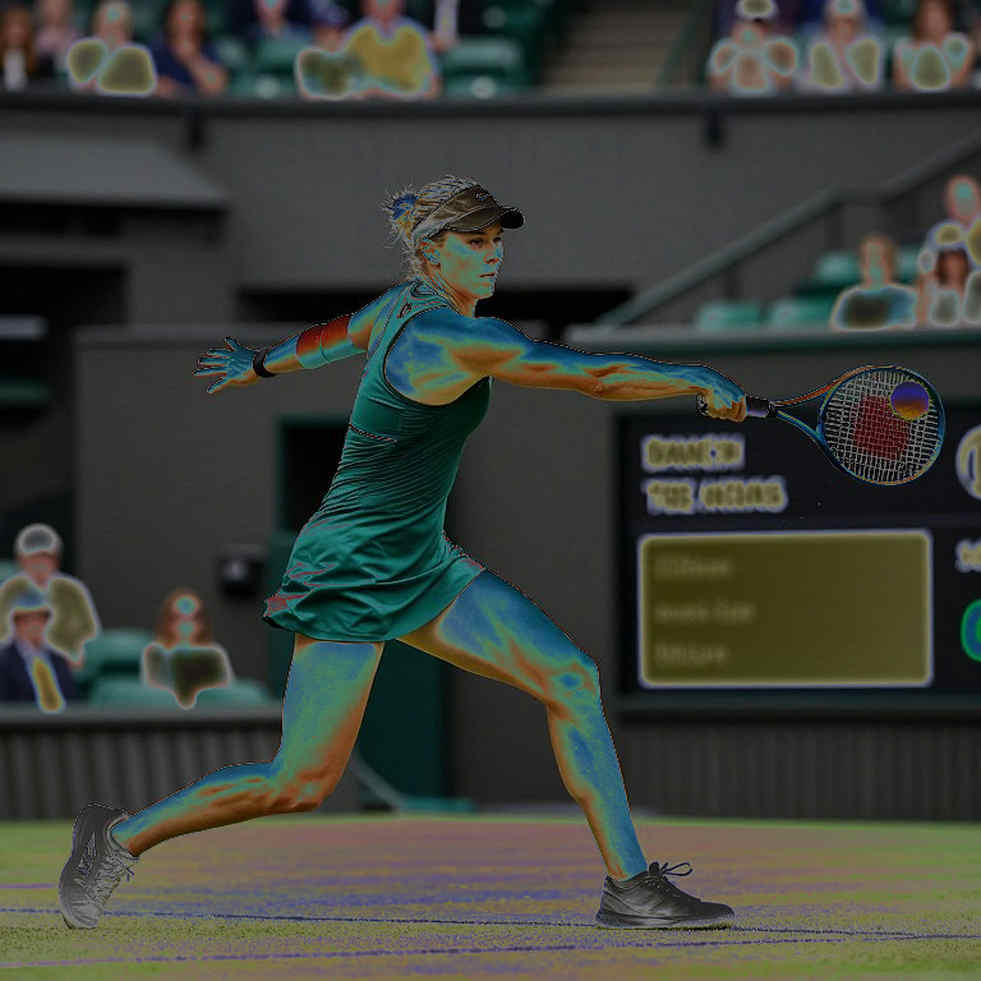
When I read those numbers, I think about Dhaka league football. In the Federation Cup crush, injured forwards rarely get scans; they get painkillers and a shirt. Barcelona's sports science is a thousand times better resourced, but the underlying question is identical: how much load can one body carry? Only the resources differ. The decision architecture is the same.
Raphinha's problem is structural, not personal. He is simultaneously the team's primary output source, its senior attacking leader, and its most heavily used forward asset. When one node breaks, three things break together: goals, leadership and systemic balance. Flick has never developed a genuine second finisher for that role, because the role itself was built in Raphinha's shadow.
Look at the conversion numbers coldly. Twelve goals in seven rounds is more than 1.7 per match. For a converted wide forward that is not a normal rate; it is an outlier. Outliers of this type decay in one of two ways: either positioning has genuinely improved, or finishing is running temporarily hot. On an eight-match sample, I lean toward the second. Part of that tally is penalties, and penalties can be reassigned. Open-play finishing cannot. The real damage sits there.
On mechanism, one point is under-discussed. For a left-footed inverted forward, the right thigh is the primary power-production muscle for striking the ball. Repeated strain at the same site is not bad luck; it is the output of a load design. The positional change also altered the mechanical profile: fewer long touchline sprints, more short explosive accelerations in congested areas, more duels, more decelerations. The tissue is being asked a different question.
This is where my old objection to effort metrics returns. Distance covered and high-intensity sprints are packaged as proof of commitment. But pointless running also produces pretty numbers. A forward who sprints ten times into the wrong space looks heroic on a dashboard and accrues debt in the injury ledger. Raphinha's rising sprint volume in his new role is not an achievement; it is a red line on the balance sheet. Clubs overpay for surface traits the way they overpay for goalkeepers who can kick long while their shot-stopping quietly declines. Everyone is watching the finishing. Nobody is auditing the thigh.
Add the load stack: club focal point, national captain, penalty taker, plus long-haul tours. Flick himself has said publicly that he feels concerned every time his players leave for international duty. The risk was identified internally before it materialised. A risk you already know about is not an accident; it is a management failure.
Now let me argue against myself. Suppose this is a one-week discomfort, the scan is clean, and he returns in ten days. Then my recurrence thesis is overblown and the FIFA-virus framing is pure media theatre. There is a second possibility I weight more heavily: that the calendar is innocent and Flick's positional redesign is the culprit. If turning a winger into a striker loaded new stress into the same tissue, the fault lies in tactical design, not in the schedule. What would change my mind: a grade-1 strain on MRI, an absence under ten days, and no recurrence by December. My own ledger has misses — I called Germany's 2026 exit correctly and got Mexico as group winners wrong in the same tournament. Calls and patterns are different things.
So here is the testable prediction. If Raphinha returns on fewer than two weeks of rest, the probability of a second right-thigh breakdown before the end of November is high, and Barcelona will drop points in at least three matches without him, because no alternative scorer has been developed inside Flick's system. I will grade that ledger line myself in December.
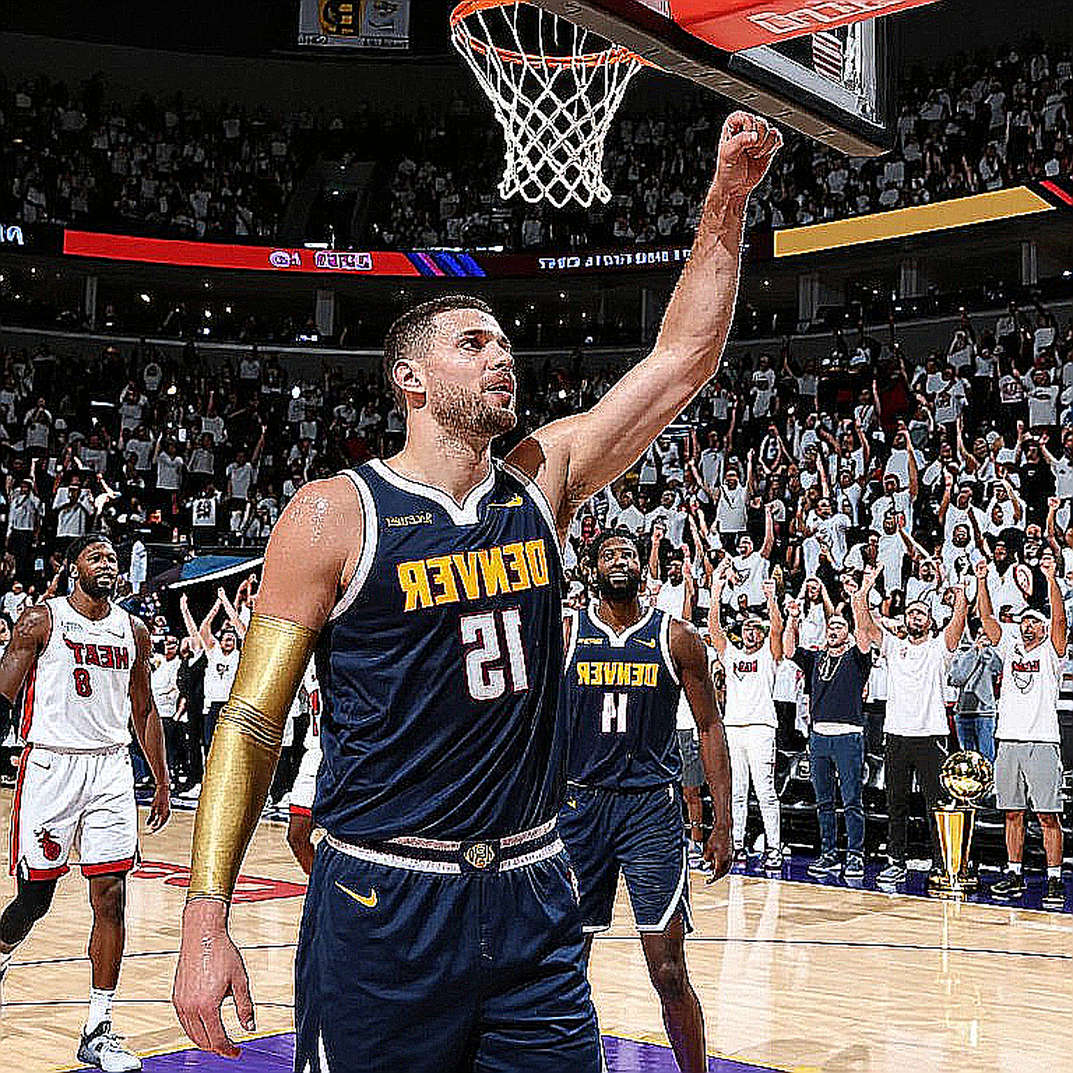
The question is not for Barcelona's medical department. It is for the wider structure: when a club builds its entire attack on one player's right thigh, the nightmare does not live in the thigh. It lives in the plan.